Thematic routes represent a unique way of getting to know a country through its history, traditions and cultural heritage. Instead of classic travel, you set off on a journey that truly leads you across regions. Then, in each of them, thanks to your presence there, you’ll discover something exceptional – be it historical events, traditional crafts, local legends or specific flavours. The journey itself becomes an unforgettable experience.
Among the most popular thematic routes that link places with the same historical or artistic context in Slovakia are the Cyril and Methodius Route, as well as other well-known cultural routes, such as the Way of St. James or the Gothic or Transromanica routes. Wine routes, attracting not only wine lovers, but also those who want to enjoy the authentic atmosphere of the countryside, taste local specialties and meet people who live in traditional ways, are equally popular.
Travelling along thematic routes brings not only pleasure and knowledge, but also a different view of the country or region you are moving through. You’ll discover nooks and crannies and hidden treasures off the main tourist routes, experience the hospitality of the local residents and maybe even take away inspiration about how to slow down and change your perspective on the world around you. Such travel is ideal for those who are seeking out a specific type of experience with added value.
The Cyril and Methodius Route
A number of thematic routes lead through Slovakia, and the Cyril and Methodius Route has an exceptional standing among them. It offers the opportunity to explore historical sites and traditions related to the work and cultural legacy of two prominent figures in Slovak history – Sts. Cyril and Methodius. It connects the countries of Central, Southern and Eastern Europe, their cultures and their awareness, and points to the European dimension of the mission and legacy of two major “influencers” of their time. In 2021, it was certified as the 48th Cultural Route of the Council of Europe. It thus ended up among such routes as the “Way of St. James” or the “Transromanica”.
The Slovak branch of the Cyril and Methodius Route offers tourists not only hiking trails but also cycling paths from Bratislava through Trnava, Nitra and Trenčín up to Žilina. The network of hiking trails and cycling routes is marked in cooperation with the Klub slovenských turistov [Slovak Tourists Club] and the Slovak Cycling Club and today offers more than 540 kilometres of trails. These are marked on signs and signposts with the typical blue-gold symbol of Sts. Cyril and Methodius as well as a reference to the Cultural Routes of the Council of Europe certificate.
The national coordinator of the Cyril and Methodius Route in Slovakia is the Regional Tourism Organisation of the Nitra Region. This supports and promotes the development of this route throughout Slovakia. More detailed information about the individual routes can be found on the websites www.cyrilmethodius.eu, www.krizomkrajom.sk, www.kulturnecesty.sk.
The natural centre of the Slovak branch of the Cyril and Methodius Route is the historic city of Nitra, where the oldest monastery and the first Christian church in Slovakia were founded. In addition, the oldest written documents in the country come from here, as does the tradition of viticulture. The Nitra Region is very rich in monuments connected with the Great Moravian tradition, whether fortified Slavic hillforts such as Bojná-Valy, archaeological finds from Čierne Kľačany, cultural and social Cyril and Methodius awareness in Močenok or the ancient churches in Kostoľany pod Tribečom and Nitrianska Blatnica. From Nitra, the route also leads you to the monastery of St. Benedict in Hronský Beňadik or to the oldest church dedicated to Sts. Cyril and Methodius, located in the village of Selce.
The Cyril and Methodius Route in the Bratislava Region
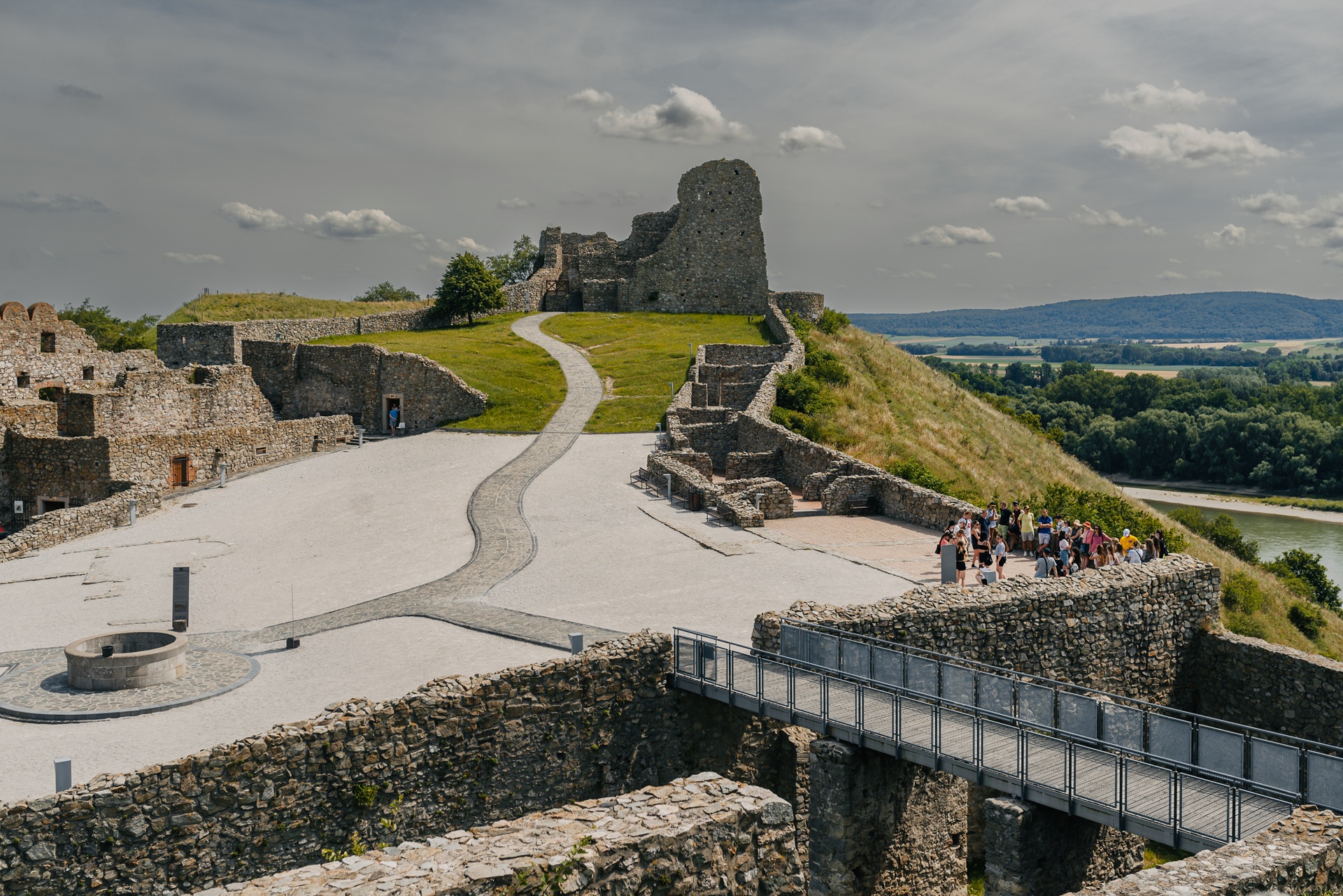
The more than 70 kilometres of the walking path of the Sts. Cyril and Methodius cultural route in the Bratislava Region offers wandering and exploring over five days. The route leads through important settlements of the Great Moravian Empire, such as Devín, Bratislavský hrad castle, the Neštich hradisko guard fort in Svätý Jur, as well as other important historical sites. It also connects old pilgrimage routes leading to Marianka or the village of Doľany and passes through localities with interesting monuments, museums and other attractions. You can plan the walk yourself depending on how much time you have and whether you want to spend it visiting churches, monuments and museums or enjoying the great food and wines of the Small Carpathians region. The entire route leads along Slovakia’s oldest and most famous wine route.
The Cyril and Methodius Route in Slovakia begins directly in Bratislava, at Devín, because this is where the steps of the famous missionaries took them. Devín is a unique and symbolic place whose strategic importance is also confirmed by finds from the Great Moravian period. Aside from the castle itself, be sure to visit the Church of the Holy Cross from the 13th century. A gravestone there that is rich in symbolism evokes consideration about whether St. Methodius is buried there. Between Devín and Devínska Nová Ves is an important archaeological site – the Sandberg sand hill and a lookout tower – with a curious shape of a praying mantis on Devínska Kobyla.
On the first day, a route of just over 13 kilometres is laid out as part of the journey, which leads from the aforementioned Devín to the historical centre of Bratislava. The focus in the capital city is Bratislavský hrad castle. The route leads through Sigismund’s Gate down the Castle Stairs through the city walls to the Gothic Cathedral of St. Martin. The famous history of the church is underlined by the fact that 11 Hungarian monarchs, including Maria Theresa and 7 royal consorts, were crowned here. Aside from stories full of celebrated history, the cathedral is also interesting for visitors due to its beautiful Baroque Chapel of St. John the Merciful, the masterful sculpture of St. Martin with a Beggar by the prominent Baroque sculptor Georg Raphael Donner, and the mysterious crypt and rare treasury.
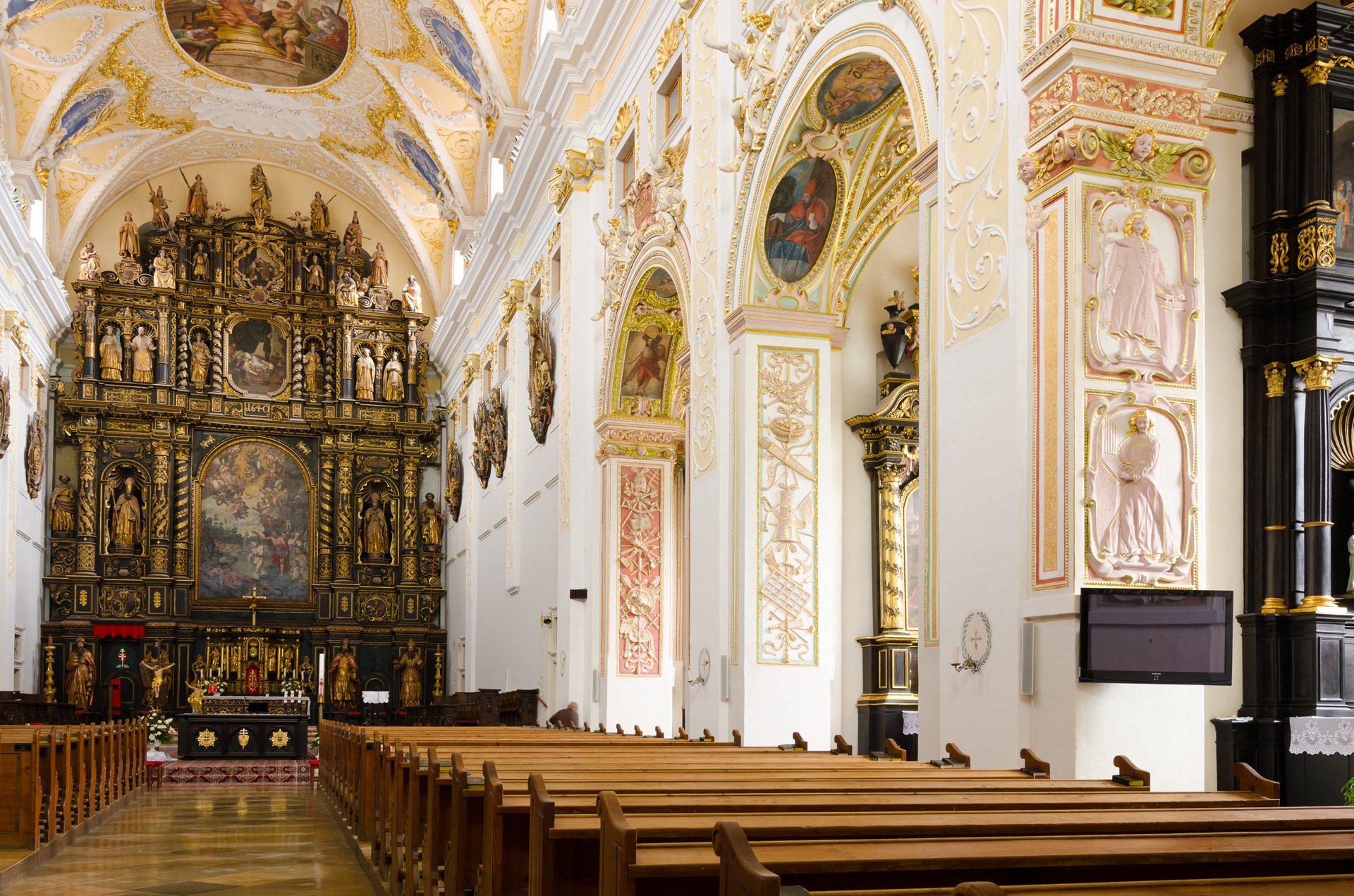
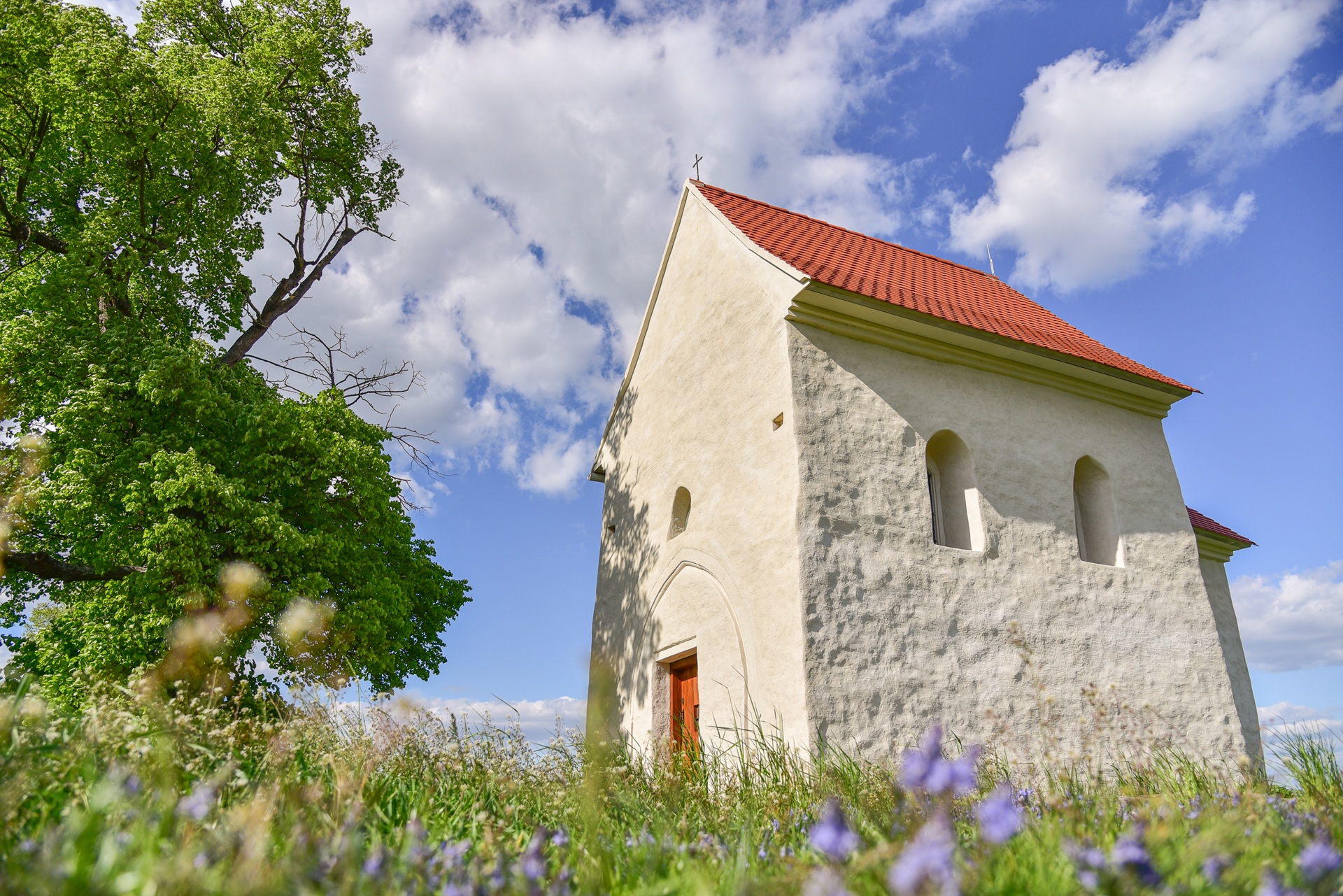
Cultural routes crisscross the whole of Slovakia
Discover Bratislava and its surroundings through interesting historical routes
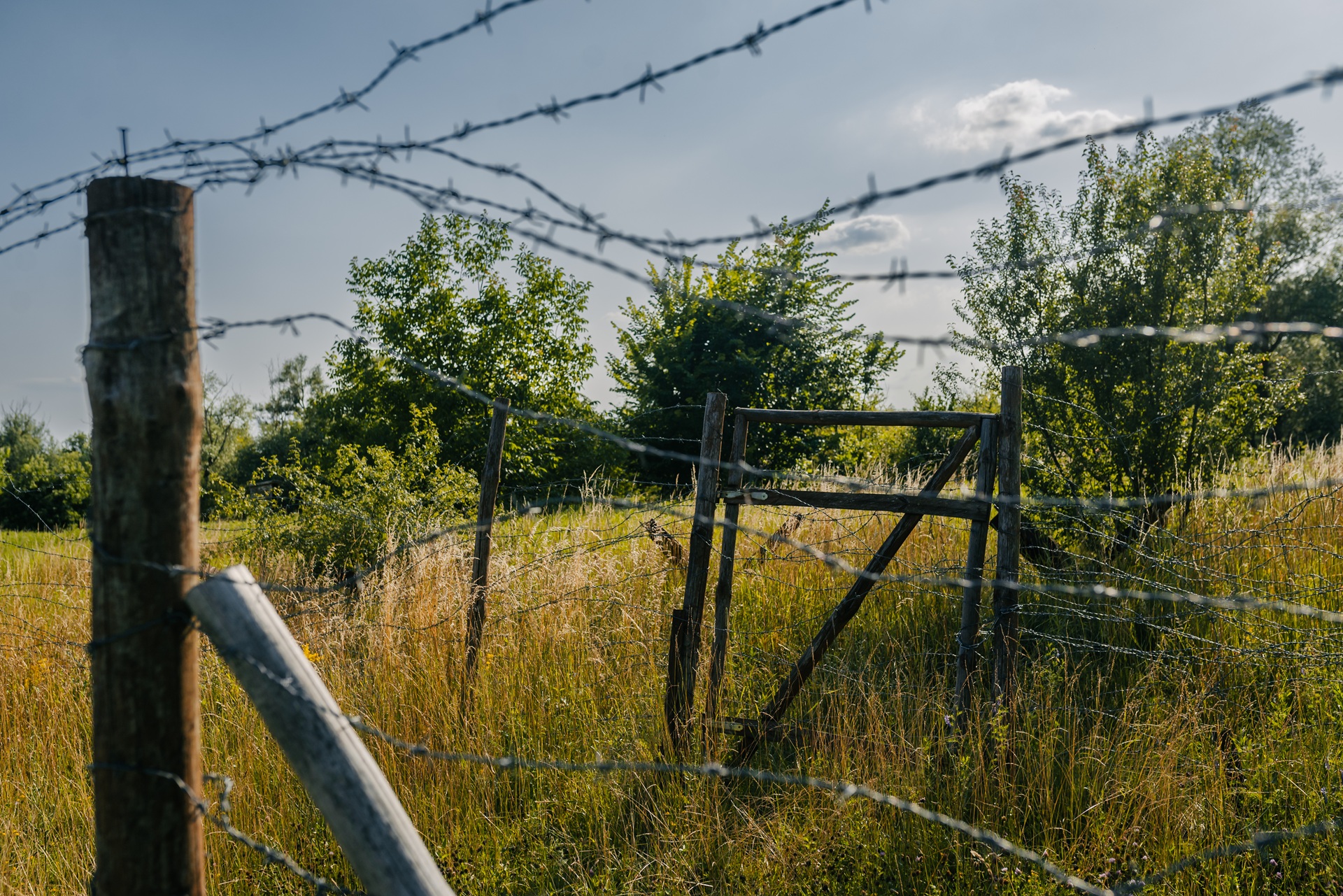
You can also explore the Bratislava Region via the Iron Curtain Trail cycling path. Its section in Slovakia is approximately 75 kilometres long. In total, it stretches to an impressive 12,500 kilometres in length, running through 24 European countries from the Barents Sea to the Bosphorus, and is included in the international network of cycle routes, such as Eurovelo 13. It recalls the time when the so-called Iron Curtain divided Europe for approximately 40 years. A so-called Green Belt was created along this strictly guarded border zone; this was an area of valuable habitats that have been preserved thanks to decades of enforced isolation.
If you choose to set off along this route on a bicycle, we invite you to explore the cultural and natural attractions along both banks of the Morava River on the Slovakia-Austria border. Thanks to open border crossings and a ferry between Slovakia and Austria, you can comfortably cross from one side to the other. You should certainly not miss several interesting places on this route. Did you know that at the confluence of the two largest Moravian rivers – the Morava and the Thaya (Dyje in Czech) – lies the southernmost point of the Morava, but also the point where the borders of Slovakia, Czechia and Austria meet? One of the largest floodplain forests in all of Europe is located here.
The Cyklomost Slobody (Freedom Bike Bridge) connects the Bratislava district of Devínska Nová Ves and the Austrian castle Schloss Hof. The bridge over the Morava River is symbolically located at the same site as the historic bridge from the time of Maria Theresa, and the remnants of its pillars have been preserved. The village of Veľké Leváre, known for the Habánsky dvor (The Hutterite Yard), is also worth a visit. The largest preserved site of the original settlement of the Hutterites in Europe is a complex of 22 folk buildings from the 17th to 19th centuries. The Hutterites were very skilled craftsmen who left behind architecturally and historically remarkable buildings. In addition, there is the world-famous paeleontological site at Sandberg, where the remains of over 250 species of marine and terrestrial animals dating from the time when the prehistoric Tethys Sea reached this point have been found.
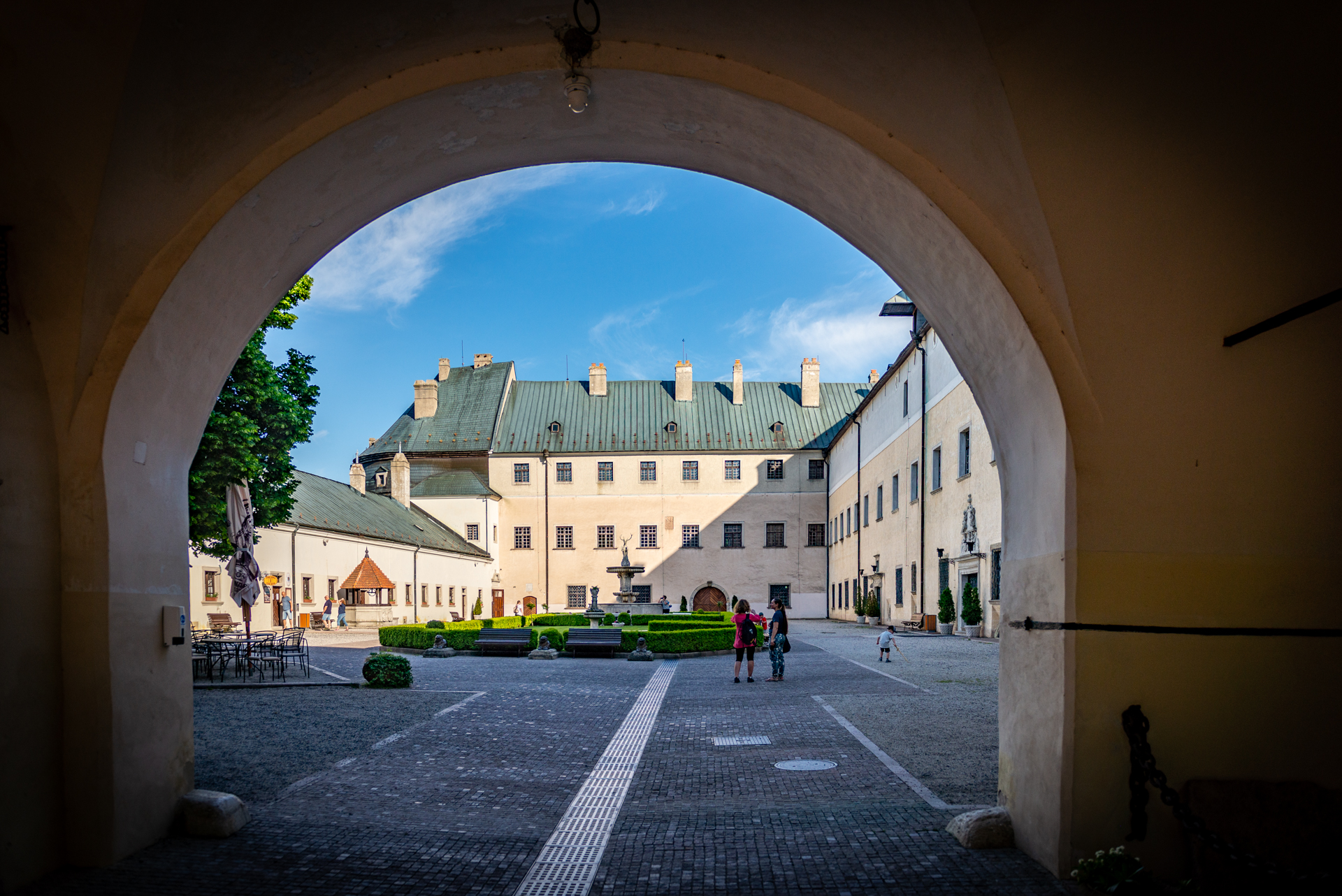
Lovers of history will certainly enjoy the Route of Noble Families, along which you can follow in the footsteps of the Pálffy family. For many years, members of this family took part in the construction of many monuments that left an unmistakable mark on the cities and towns in Bratislava and its surroundings. Impressive country seats, manor houses, representative city palaces and sacral monuments are still important historical and cultural gems worth exploring today.
For example, you can visit Hrad Devín castle, which the Pálffy family owned in the past. Additional castles and palaces bearing their name are found directly in the capital and throughout the region. You can end the journey in St. Martin’s Cathedral, which also bears traces of this important family. In its interior is a group of four tombstones, one of which is the tombstone of Mikuláš Pálffy dating from 1601. The Pálffy family tomb is also located in the crypt under the Cathedral. Over the course of more than two hundred years, at least twenty members of the family were buried in it. For more information, see Bratislava – In the footsteps of the Pálffy family.
The Way of St. James in Slovakia
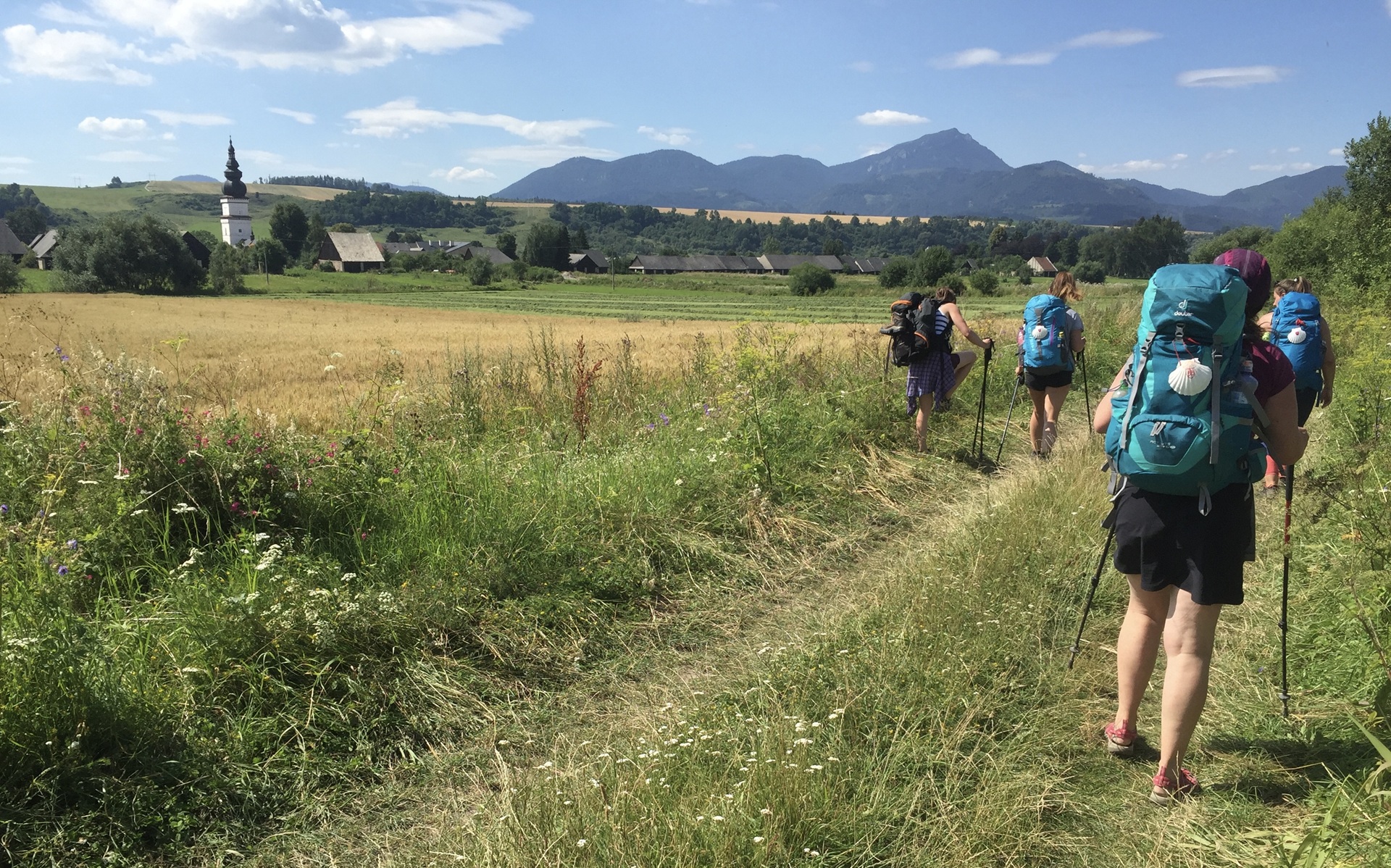
In recent years, pilgrimages and pilgrimage routes have seen a great increase in popularity. They are no longer just a matter for the faithful – more and more people, regardless of religion, are setting out on a pilgrimage for peace, quiet, adventure and self-discovery. One of the world’s most famous routes is the Way of St. James, or Camino de Santiago, which leads to Santiago de Compostela, Spain. Few people know, however, that this path also leads through Slovakia, and it is therefore possible to start walking it “at home”.
Pilgrimage is not only about religion. It also includes physical challenge, mental purification, cultural experiences, history, the beauty of nature, local cuisine and many human encounters. For many people, it is a way to slow down, listen to their own bodies and thoughts and reconnect with the world without the noise of civilization.
Slovaks often view the Camino as something exclusively “Spanish” and distant. But in reality, people have always walked to Compostela from “home”. Medieval pilgrims set out from their dwellings, and the journey took them through lands both known and unknown. So, why not start the same way today? Why travel the world when you can first really get to know your own country?
The Way of St. James in Slovakia offers a unique opportunity to walk across the country. Nature, history, culture and the hospitality of people all come together over approximately 600 kilometres, which you can complete in perhaps 30 to 40 days. The route is well marked and accessible via applications such as Mapy.cz. It is also detailed on the website www.caminodesantiago.sk, where you can find information about the sections, elevation gains, accommodation, meals and attractions along the way.
Guidebooks and pilgrimage accessories are also available, including a shell or a credential – a pilgrim’s passport, in which you can collect stamps from the places you pass through. And if the language barrier or fear of a foreign environment discourages you from travelling all the way to Spain, the Slovak Camino is the ideal solution. You’re at home; you can communicate, and you know where you are – and yet you find yourself on a journey that can change you.
Discover Gothic in the Gemer
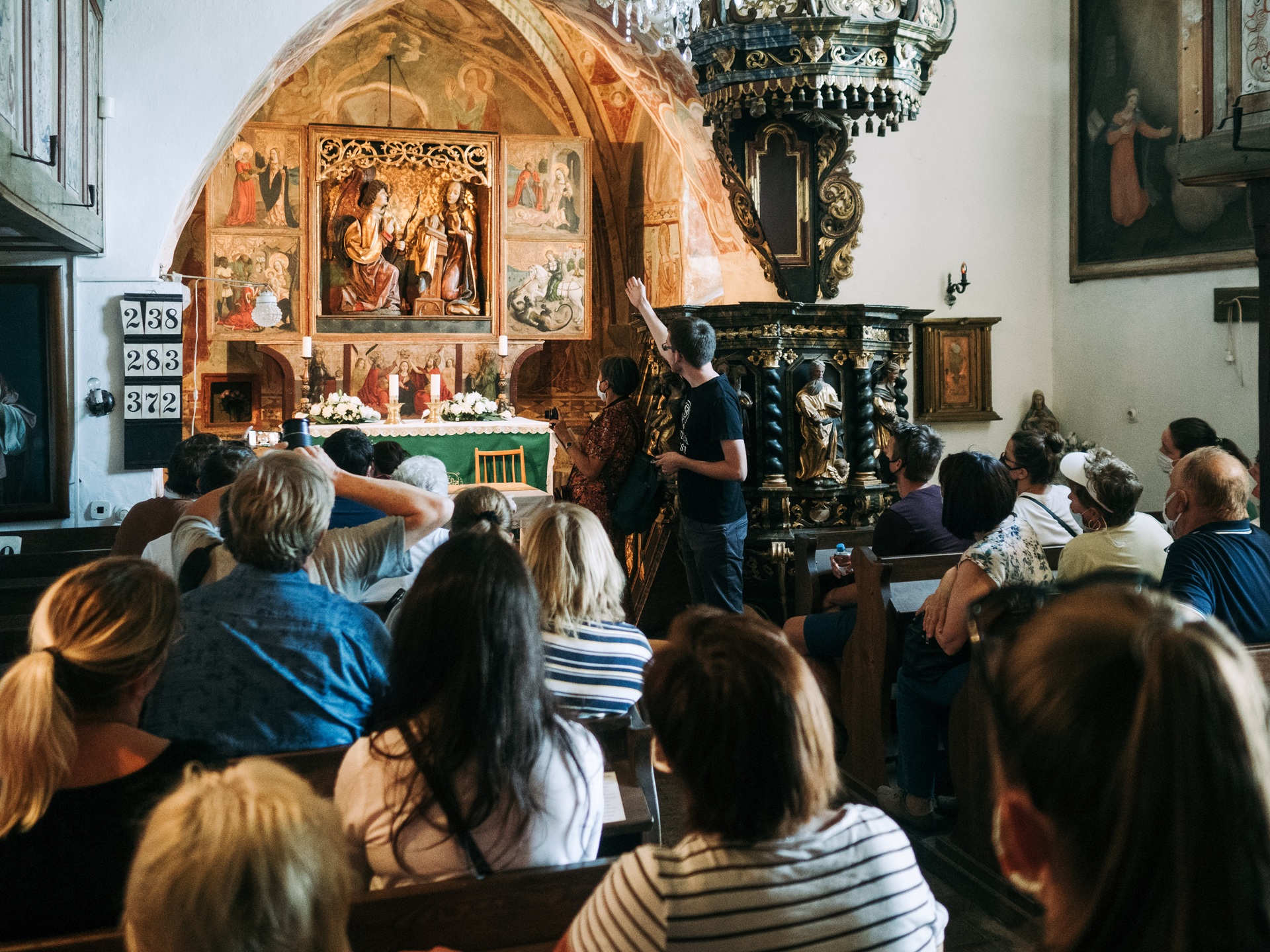
The Gemer – Malohont region hides several historical, cultural and natural jewels. Among the most remarkable are certainly the Gothic churches scattered throughout several villages in the region. Twelve of them are boast of the rare label of unique monuments with pan-European significance – the European Heritage Label. This label, based on a strict assessment, is awarded to localities or objects that represent European history and reflect common European values and their influence on the development of culture and society. This is currently the only set of monuments with this prestigious label in Slovakia.
The European Commission has included sets of medieval wall paintings in twelve churches in Gemer and Malohont in the list. These are the Lutheran churches in Rimavské Brezovo, Rimavská Báňa, Kraskovo, Kyjatice, Kameňany, Štítnik, Ochtiná and Koceľovce; the Catholic churches in Chyžné, Rákoš and Šivetice, or the church of the Reformed Christian Church in Plešivec. Together they form the so-called Gothic Route. Thanks to the support of the Košice Region and the Banská Bystrica Region Tourism, they are again accessible for visitors during the current summer season. Opening hours of the individual circuits of the Gothic Route are published on the official website at www.gotickacesta.sk/leto-2025.
On the signage at the entrance to the churches you’ll find three QR codes with links to an article about the church, an audio guide and a virtual tour of the exterior and interior. All the information is available in Slovak, Hungarian and English. History enthusiasts can also look forward to the Gothic Route – Forgotten Heritage 2025 event organised by the Gothic Route Association. This year, it also brings the opportunity to visit a collection of six diverse medieval churches located in the Gemer region – in the Slovak part, as well as in what is now Hungary. Tourists will see three churches in the Slovak part of the Gemer and three in the part of the region that now belongs to its southern neighbour. The event will thus symbolically reconnect the Gemer to its original size. You can find more information at www.gotickacesta.sk/ponad-hranice.
Monuments of the Transromanica Cultural Route in Slovakia
Slovakia is often described as being a country of castles, but its territory also hides lesser known but extremely valuable Romanesque monuments, which are part of the international cultural route of the Council of Europe Transromanica. This route connects the countries of Europe through the architectural heritage of the early Middle Ages, when unique Romanesque art and architecture were being devised. In Slovakia, it is represented especially by sacral buildings that combine a spiritual dimension with craftsmanship and a dose of mystery.
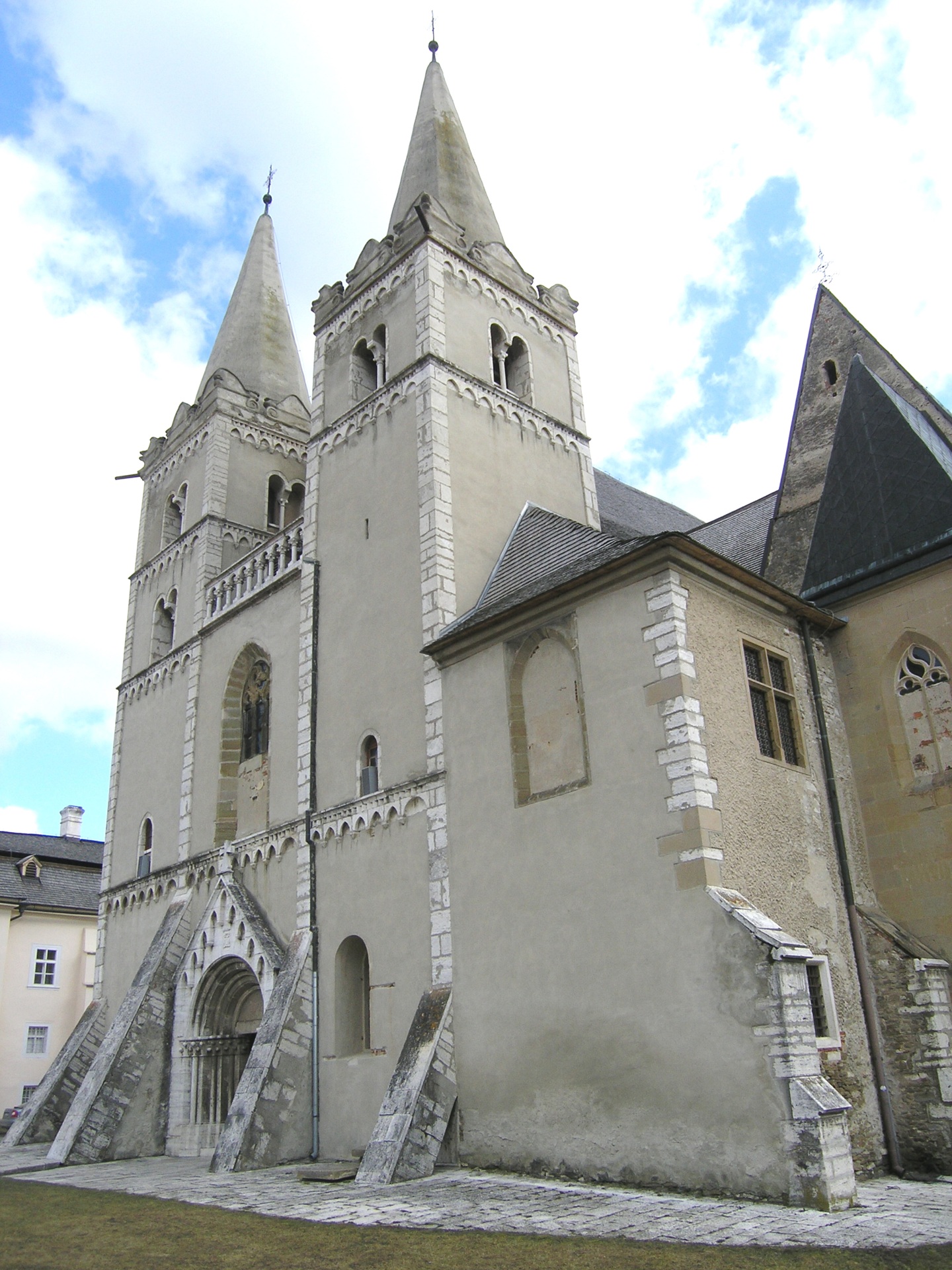
Transromanica in Slovakia offers more than just architecture. It is also a journey for peace, quiet and an authentic experience of the countryside. Romanesque monuments are often found in picturesque villages and natural nooks which are ideal for slow discovery and reflection on history and oneself. For lovers of history, architecture or spiritual tourism, Transromanica is a unique opportunity to discover the wealth of Romanesque art and architecture in Slovakia in a form that has retained its original dignity and charm. These monuments do not bedazzle with their flamboyance, but with their simplicity, which reveals the lasting beauty hidden in the stone.
The Council of Europe’s Transromanica Cultural Route links the exceptional Romanesque architectural monuments of nine European countries. In Slovakia, it includes three unique sacral buildings that are gems of Romanesque architecture and also offer a unique view of the spiritual and artistic world of the Middle Ages.
The first of these is the Cathedral of St. Martin in Spišská Kapitula, a majestic building located in the historical ecclesiastical town of Spišská Kapitula, located near the village of Spišské Podhradie, beneath Spišský hrad castle. This originally Romanesque cathedral was built in the 13th century and later modified to the Gothic style. It is the heart of the spiritual life of the Spiš region. It stands out for its Romanesque architectural elements, such as portals, column capitals or fragments of decoration that have survived the centuries and still tell the story of faith and art. Together with the nearby Spišský hrad castle and the church in Žehra, it forms a unique complex inscribed on the UNESCO World Heritage List. The cathedral offers not only a spiritual atmosphere, but also a view of the development of Romanesque and Gothic architecture.
Another stop on the Transromanica is the Church of the Assumption of the Virgin Mary in Bíňa, which is one of the oldest sacral buildings in Slovakia. Its foundations date to the 12th century, when Bíňa was an important centre of the Benedictines. The church, with typical thick walls, narrow windows and a rotunda apse, has kept its Romanesque character to this day. It captivates visitors with its simple but powerful architecture and spiritual atmosphere.
The trio of monuments is completed by the Church of the Assumption of the Virgin Mary in Diakovce, which is a typical representative of so-called Romanesque brick architecture, found mainly in the southern and south-eastern regions of Slovakia. It was built in the early 13th century and still retains some original building elements, such as the stone portal or the barrel vault in the nave. It is a witness to the ancient spiritual history of the region, which was closely linked with the Kingdom of Hungary and church institutions.
What do these monuments offer the contemporary visitor? Above all, authenticity, silence and the beauty of simplicity, which are difficult to find in modern architecture. They are exceptional in that they have been preserved in their original locations, surrounded by picturesque landscapes and other historical layers. As a result, they not only represent a look into the past, but a genuine experience of being present in a space that has been alive for more than 800 years.
Coburg history in the Horehronie and Gemer regions comes to life again
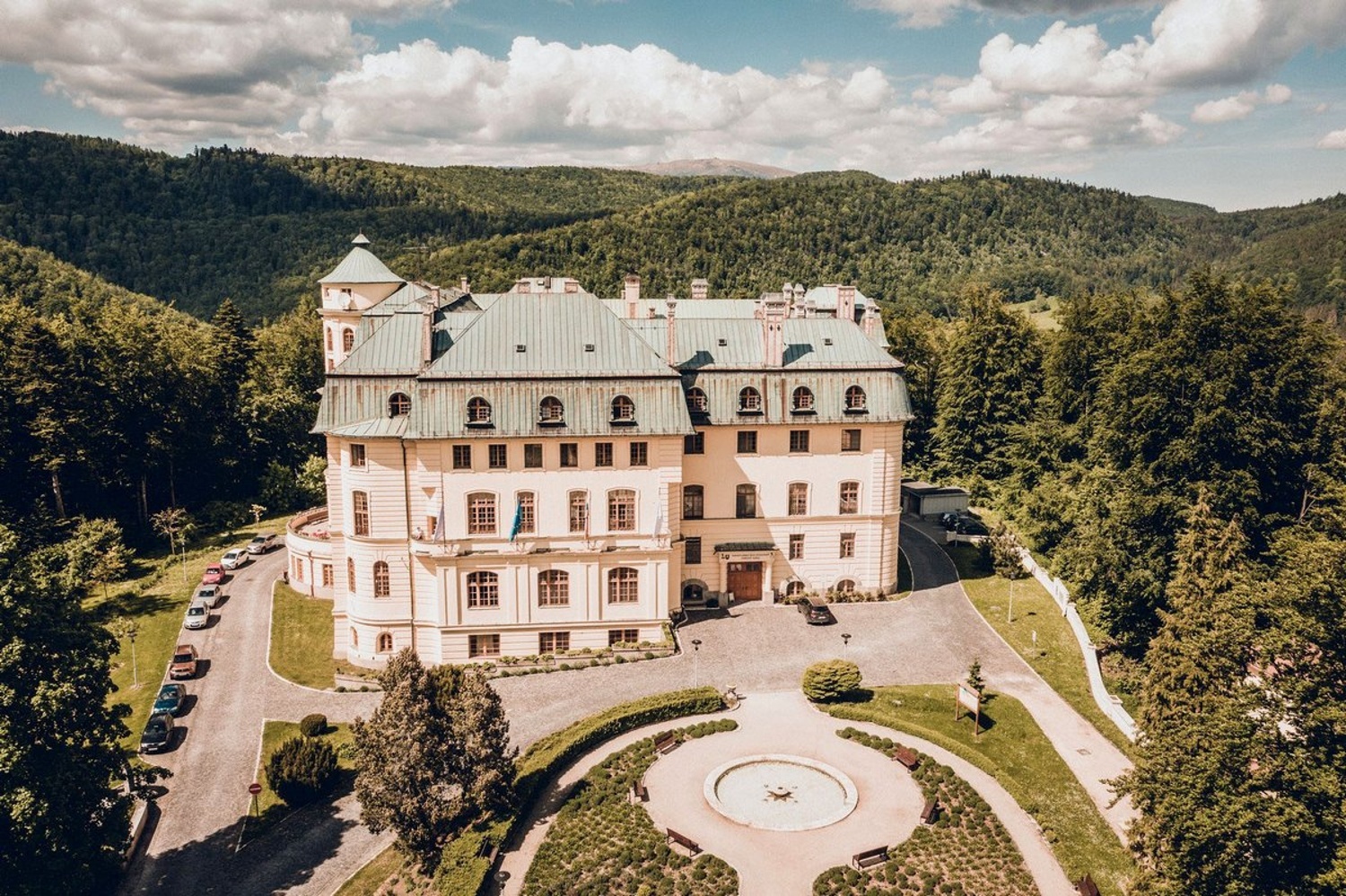
Did you know that the Pohorelá ironworks complex ranked among the four most important iron producers in Austria-Hungary? The ironworks history of Horehronie (“Upper Hron”) region is connected with the Koháry family and later the Coburg family, whose manufacturing enterprises brought a boom of great production, construction and urbanisation to the area. The Pohorelá (Coburg) ironworks complex comprised seven ironworking settlements along the upper reaches of the Hron River. Production there ceased at the beginning of the 20th century. Today, this complex is getting a chance to rise from the ashes again by connecting the sites within a cultural route.
The Coburg Iron Road project is a tourism cultural route that connects rare industrial sites in the Horehronie with important residences of the Coburg noble family in Slovakia. Travel back in time with us and see the once famous, but now almost forgotten architectural objects of the Pohorelá Iron and Steel Complex. Discover the beautiful historical Coburg Park and the Administration Building of the Coburg Estate in Pohorelská Maša, the ruins of the Ferdinand Steelworks in Nová Maša, the Lutheran Church in Vaľkovňa, the upper (pink) hammer in Zlatná, the hunting lodge on Predná Hora with a renewed exhibition, or the fascinating Coburg kaštieľ manor house in Jelšava.
Aside from historical facts, you can also look forward to several local curiosities associated with the life of the Bulgarian Tsar Ferdinand Coburg, and you’ll also learn a lot about the architecture of these places. Set off along the iron road and discover the forgotten history of iron in the Horehronie and Gemer regions. Registration for a guided tour is required at least 24 hours in advance at www.horehronie.sk. Individual guiding is possible through the Coburgs civic association in Slovakia (coburgovci@gmail.com).
Iron routes of Slovakia
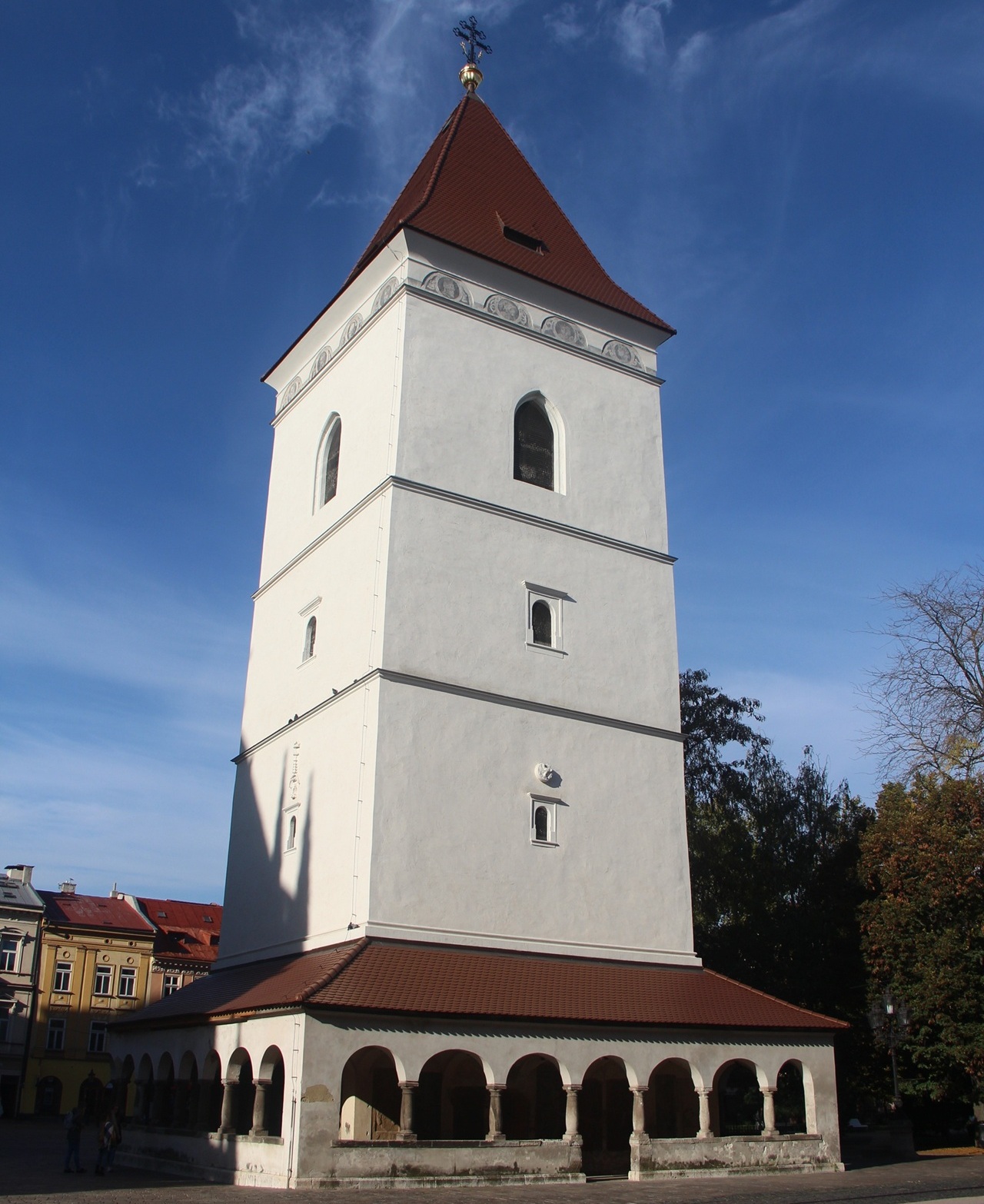
The Slovak Iron Route is a cultural route that connects locations linked to the mining of iron ore and the production and processing of iron and other metals. This route includes various industrial monuments, such as abandoned mine shafts, blast furnaces, tunnels and extensive areas of former mines and smelters. The aim is to commemorate and preserve the historical importance of the iron industry in Slovakia and to point out its influence on the development of society.
Iron Route I is a circuit that connects Košice, Moldava nad Bodvou, Jasov, Medzev, Štós, Smolník, Mníšek nad Hnilcom, Prakovce, Gelnica, Jaklovce, Ružín and again Košice. In Košice, we recommend a visit to the Slovak Technical Museum or the Exhibition of Artistic Metalworking in Urbanová veža tower. In Medzev, there is a functional, single-hammer as well as a two-focus hammer mill. In Smolník, the Rotenberg Geotourism Nature Trail is part of the route, and in Gelnica, the Jozef Adit and the Mining Open-Air Museum.
Iron Road II will lead you from Drnava through Krásnohorské Podhradie, Rožňava, Betliar, Nižná Slaná, Vlachovo and on to Dobšiná. Must-see stops include the Andrássy Mausoleum, a unique Art Nouveau monument in Krásnohorské Podhradie; the Mining Museum with its Sentinel experience centre in Rožňava; and the famous mansion with its adjacent English park in Betliar. In Nižná Slaná and Vlachovo, you should definitely see the local steelworks, and in Dobšiná, the “In the footsteps of mining in Dobšiná” instructional path.
Iron Road III presents the mining and metallurgical monuments of the Spiš region. It runs from Mníšek nad Hnilcom through Švedlár, Nálepkovo, Hnilčík (Roztoky, Grétla, Bindt), Novoveská Huta, Spišská Nová Ves, Markušovce, Rudňany, Poráč, Krompachy, Kluknava, Jaklovce and Opátka to Košice. In Spišská Nová Ves, an exhibition of the Slovak Technical Museum focused on the history of mining in Spiš region awaits you, in Markušovce a manor house and summer house, and in Poráč a unique tourist attraction – a mining trolley oval.
Wine routes
Small Carpathians Wine Route
The Small Carpathians Wine Route combines several phenomena – wines, landscapes, history and the cuisine of the area spread between Bratislava and Trnava, the large centres of south-western Slovakia. Between them lie three smaller towns – Svätý Jur, Pezinok and Modra – which are proud of the old tradition of free royal town. They were awarded this title in the 17th century thanks mainly to their production of quality wine.
Bratislava has changed in the last century from a quiet (still almost a winegrowing) town to a vibrant city, where housing estates and villa districts stand on the slopes instead of vineyards. Its renovated centre, however, is full of cozy cafes and restaurants, and for those interested in viticulture, it offers a Wine Museum and many wine shops with wines from the Small Carpathians region and around the world. However, those who want to experience the Small Carpathians Wine Route in its true essence must head out to the countryside.
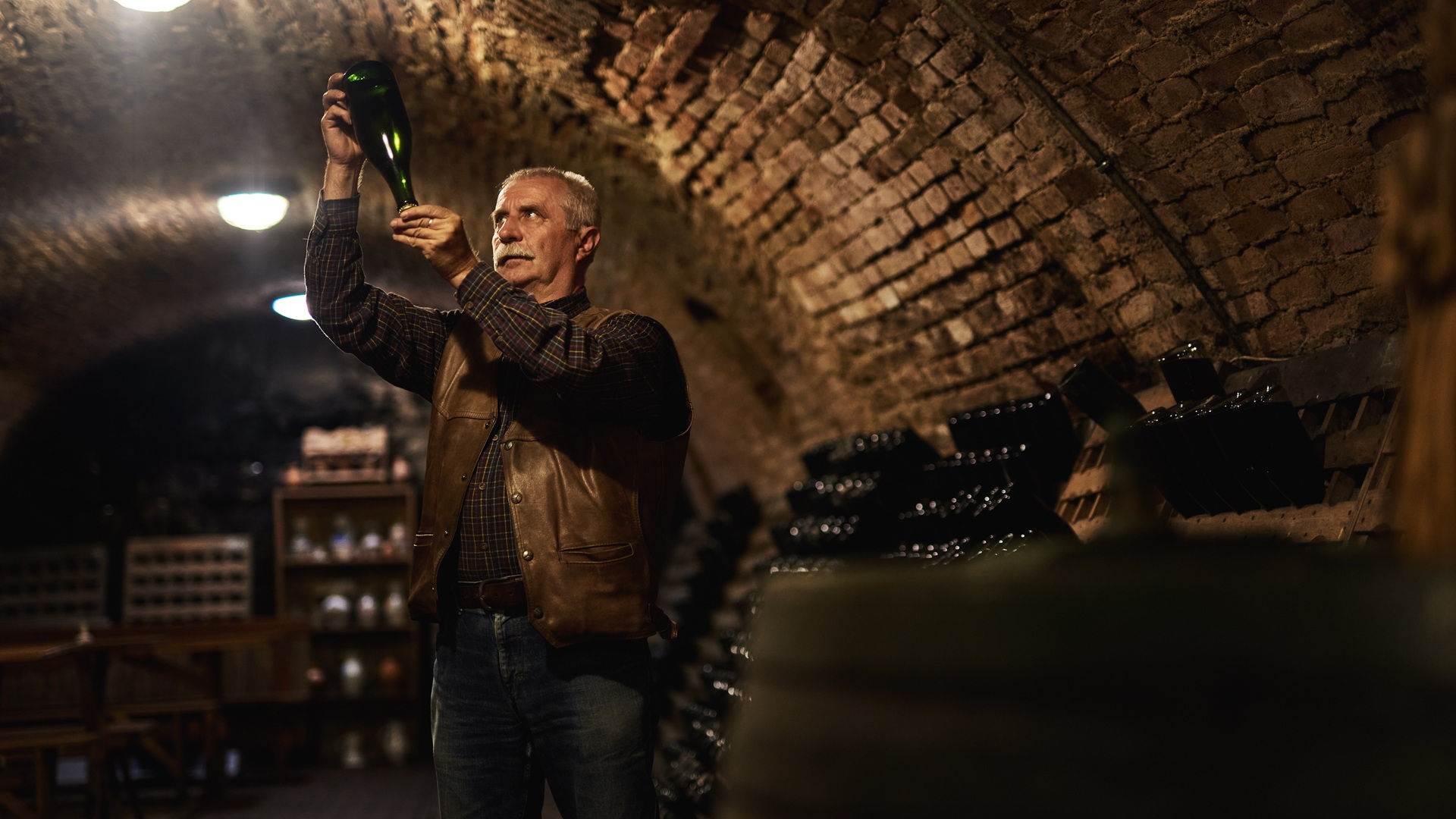
The first cellars of genuine wine producers are in the suburban neighbourhoods – the once independent villages of Rača and Vajnory. Perhaps a five-minute drive from Rača is the first of the three winegrowing towns – Svätý Jur – whose centre has been preserved almost intact and provides a glimpse of what a real winegrowing town looked like in the past. This is a true museum in nature, and its beautiful location and view of the Danube Plain enhance the taste of Svätý Jur wine. The most famous cellars are those beneath the mansions that predominate on the main street.
Pezinok is traditionally considered to be the centre of the Small Carpathians region. After a tour of the historic centre, you can visit several cellars and wine shops, and you should certainly not miss the unique Small Carpathians Museum in Pezinok. It presently offers two permanent experiential exhibitions – The Story of Wine and The History of Viticulture and Winemaking under the Small Carpathians. The museum houses the largest collection of historical wine presses in Europe and in an attractive way presents interesting information about viticulture and winemaking in the region. Another potential stop is the Šimák Zámok Pezinok castle. Directly under the castle is the Castle Winery, which hides 800-year-old cellars with Apostolic barrels as well as a barrique cellar with hundreds of barrels. Immediately adjacent to Pezinok is the village of Slovenský Grob, which despite having only a few vineyards is a large market for wine, which is drunk with roasted goose. From Pezinok, you can reach Modra, a centre of world-famous majolica production, through the village of Vinosady.
Both Pezinok and Modra are towns that live by culture as well as by wine, and these two phenomena are also combined in the autumn at the largest events – the vinobranie or grape harvests. Such grape harvest festivals are held in Modra once every two years and in Pezinok every year, once as the Malokarpatské vinobranie (Small Carpathians Grape Harvest) alternating with Modra and once as the Pezinské vinobranie (Pezinok Grape Harvest). The largest cellars on the Small Carpathians Wine Route are probably those at Červený Kameň castle, though in the Middle Ages copper was stored in them. The largest wine cellar, called the Fuggerovská after the Fugger family, one of the most famous former owners of the Červený Kameň estate – can be found in the village of Častá. After tasting the legendary Orešanské červené (Orešany red wine), based on the Blauer Portugieser grape, and visiting the wine shop at Smolenice zámok castle, you arrive in Trnava through the village of Suchá nad Parnou.
The Small Carpathians Wine Route offers events for lovers of wine all year round; a list of them is published annually in a specialised calendar (www.mvc.sk/podujatia). At the end of winter and in the spring, wine is enjoyed at local wine tours, which culminate in the Wine Markets in Pezinok. Summer is then filled with guided tastings in attractive locations and an attractive accompanying programme that will educate and entertain. Finally, the wine year for tourists culminates in autumn with the grape harvest, the blessing of wine, and especially the Open Cellars Day, which attracts thousands of enthusiasts from both within Slovakia and abroad. Unlike the grape harvest and other events, it is organised within the entire Small Carpathians Wine Route from Bratislava to Trnava, and visitors carrying a wine passport, a tasting glass and other accessories travel around the region for the light of the open cellars.
Tekov wine route
The Tekov region is a still rather unknown area that offers the opportunity to discover and get to know places with a very interesting winegrowing history. One of the unique features of this region that has been around for centuries is the winegrowing and winemaking industry. This is given by the specificity of the entire area, especially by the soil, be it the tuff volcanic bedrock of the Štiavnické vrchy mountains and Ipeľská pahorkatina uplands or the limestone bedrock left here by the bubbling thermal springs.
The most famous curiosity in the field of grape growing is the success of Michal Zabadal in registering a new variety in the state variety book in the 1970s. His work with the team of State Property workers in Želiezovce and its surrounding operations managed to select a brilliant variety, which was brought from what was then Transylvania (today in Romania), by the Esterházy family in the interwar period. Michal Zabadal immediately discovered the potential left here by Countess Ernestína Coudenhove Breunner. Yes, this was the Fetească Regală variety, which was very well suited to the sandstone bedrock of the local hills in the region.
Visitors to the Tekov can also use a unique service every year, the so-called wine bus. It provides transportation for participants to popular events, such as the Open House Day in Topoľčianky, the Vráble Open Cellars or the Midsummer Night Wine Road in Kolíňany. Thanks to coordinated transport, visitors can fully focus on tasting and discovering wine culture in a carefree way. In addition to wine buses for the event, thematic wine buses directly to individual wineries are on offer, where guests have the opportunity to learn about their story, see the production process, visit the cellars, meet employees and enjoy a guided tasting.
The Nitra Region is an important winegrowing area, and its wine routes will lead you to ancient cellars, modern wineries and grape harvests, which aside from wine-tasting also offer cultural and culinary experiences. Among the most important wine events in the region are, for example, the Vráble Wine Route – Vráble Open Cellars, the Wine Street in Levice, the Strekov Open Cellars, the Komárno Jazz Picnic, the Pukanec Craft Markets, the International Festival of Welschriesling in Svätý Peter or Gustus Juvenilis in the Nitra Synagogue.
Hont Wine Route
With its enchanting natural setting and rich winemaking history, the Central Slovak winegrowing region is one of Slovakia’s jewels. At its heart is the Hont, a region with ideal conditions for growing grapes. Testimony to this is centuries of tradition and the characteristic range of varieties. Even though the first official year of the Hont Wine Route event took place only in 2021, the idea of connecting wineries and making their production available to the general public has deeper roots here. It is likely that even before then similar initiatives informally connecting winemakers and wine lovers existed in the Hont region. The Hont Wine Route thus continues these older traditions and takes them to a new level of organisation and promotion.
This travelling event is a unique chance to immerse yourself in the world of Hont winemaking. It connects winemakers from all over Hont, from Krupina through the picturesque village of Sebechleby, the Dudince spa to the village of Horné Túrovce and thus provides a comprehensive picture of the current state and potential of local winemaking. Visitors have the opportunity to wander between open cellars, taste local wines and speak directly with local winemakers about their passion and craft.
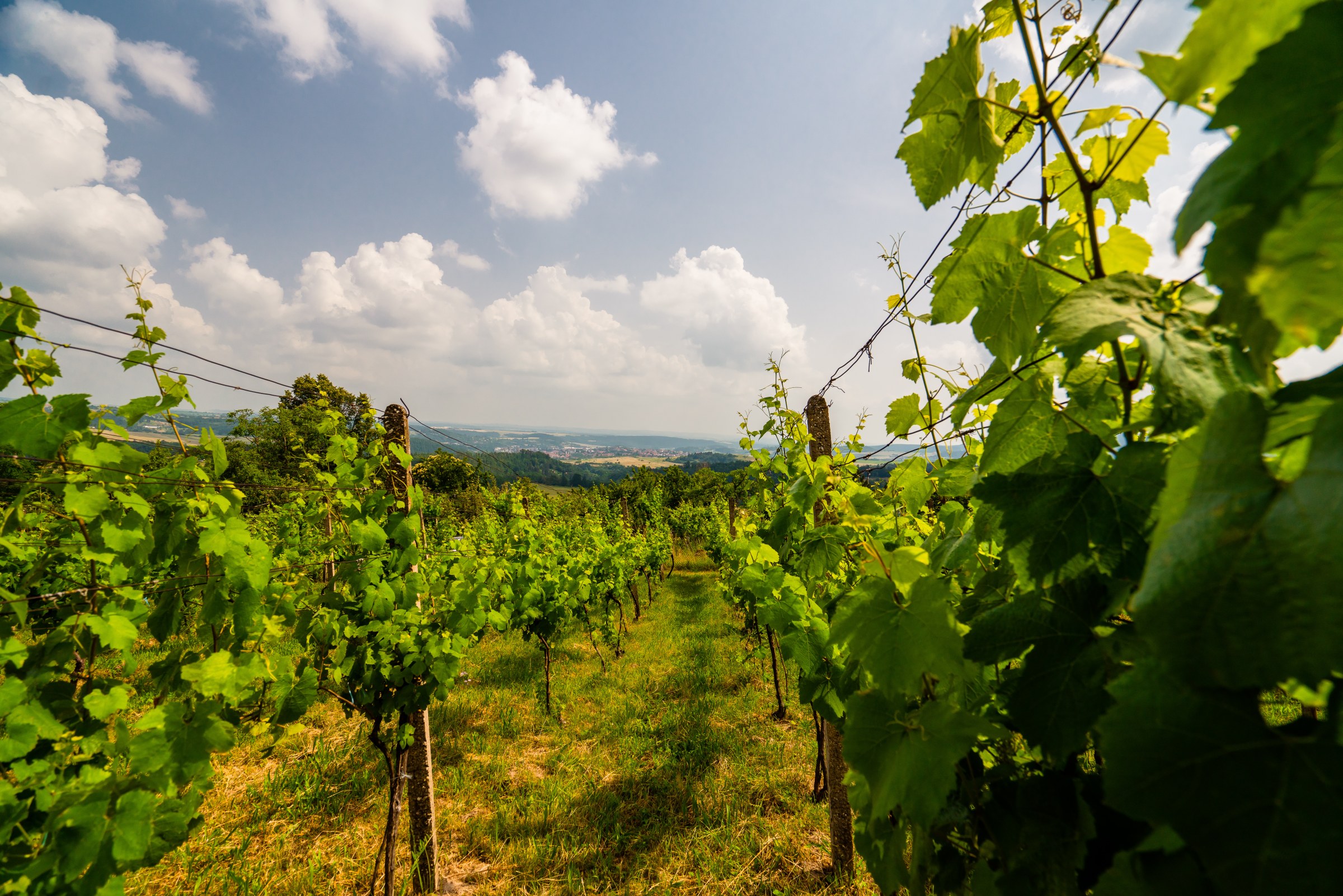
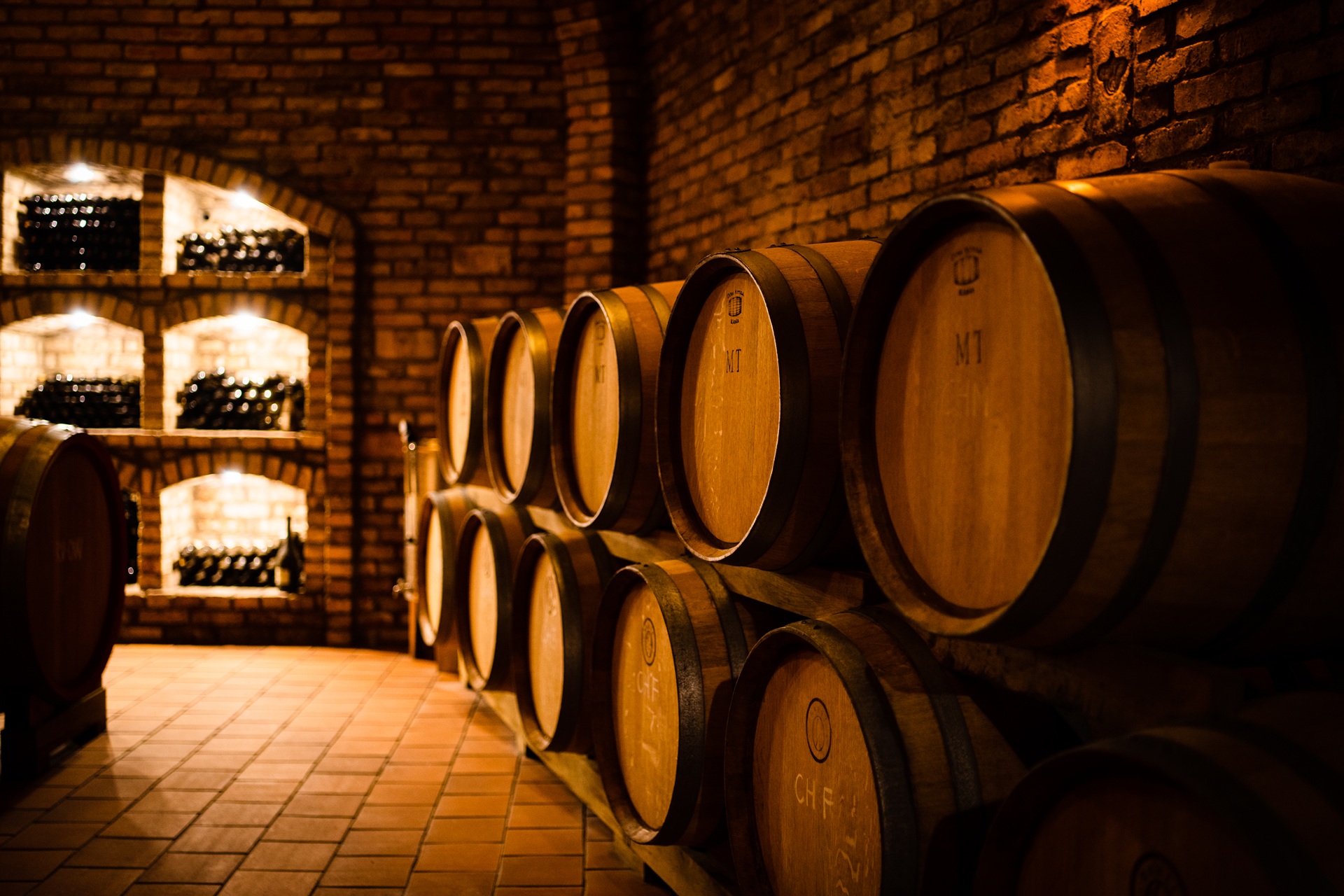
The Hont Wine Route is made exceptional by its authentic experience. The event offers a rare opportunity to experience the atmosphere of vineyards and traditional wine cellars, which are often tucked away in the picturesque corners of the region. Aside from well-known varieties grown in the Hont, such as Chardonnay, Fetească Regală, Red Traminer or Blaufränkisch, visitors can also discover specific regional wines that reflect the unique terroir, such as “Samorodák” (Othello) or Concord. By taking part in the Hont Wine Route, you also directly support local winemakers and contribute to the maintenance and development of the winegrowing tradition in this region. You’ll find more on the website www.hvc.sk
Veľký Krtíš Wine Route
The Veľký Krtíš Wine Route association is located in the Novohrad region. It consists of nine wineries, from small family-run wineries to well-known brands, which are behind the success of South Slovak wine. Their aim is to develop this Slovak wine microregion, especially its traditional economic sectors, as well as culture and their use for the development of tourism. The Veľký Krtíš Wine Route creates a space for learning about the wines produced in the surroundings of Veľký Krtíš, Plachtince, Kosihovce, Želovce, Opatovská Nová Ves, Záhorce or the village of Vinica.
Its members believe that through wine, which has been made in this area for several centuries, visitors to the region will also get to know the people who are behind the production of wine and will want to return for the wines from this region. Every year, the microregion’s winemakers organise several interesting events for wine lovers – the Tasting of New Wines, Wine-tasting in open cellars or the traditional Grape Harvest Festival. Several holders of the Novohrad Regional Product brand also operate in the Novohrad region.
Tokaj Wine Region
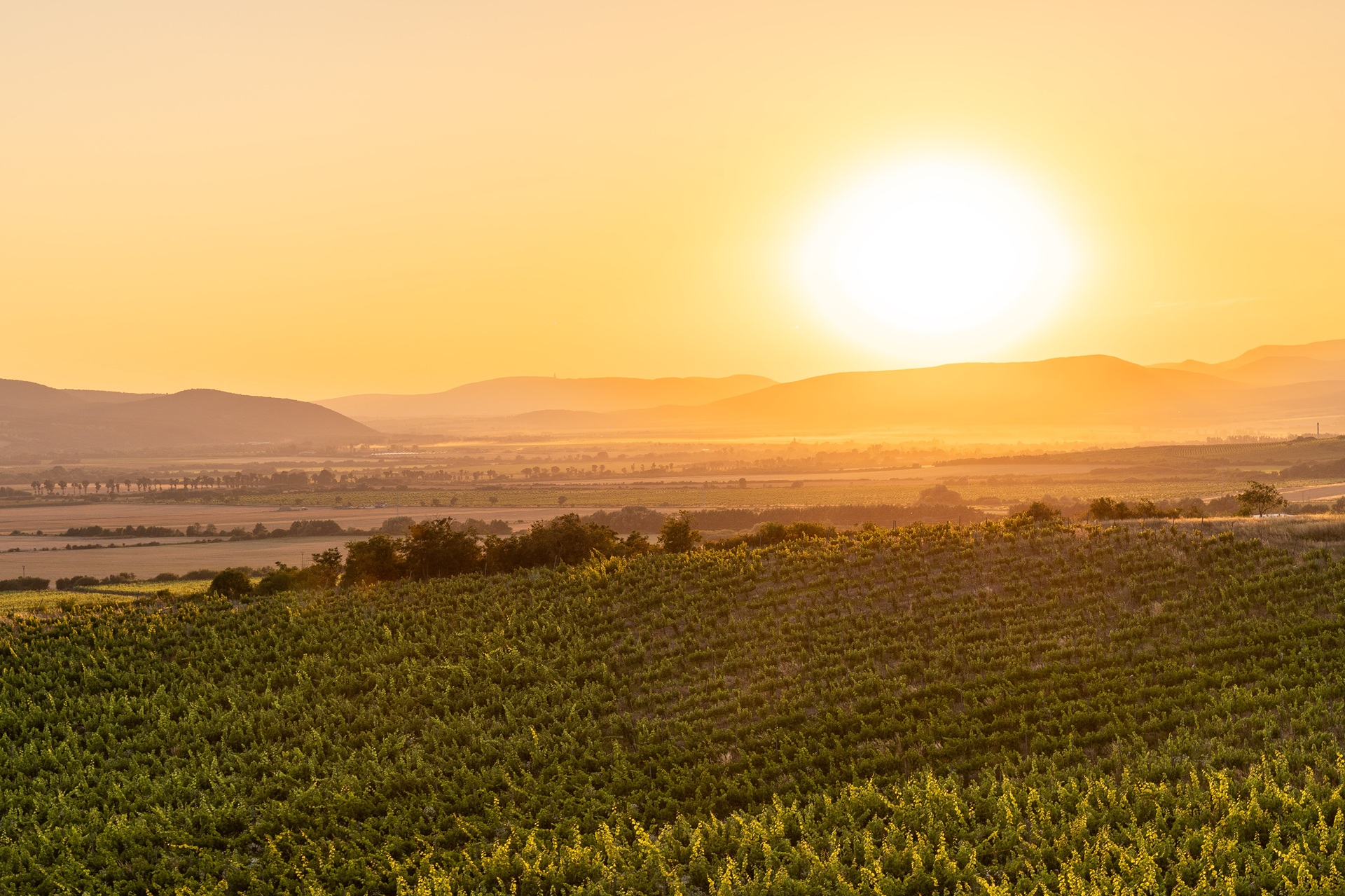
The Tokaj wine region is the famous birthplace of a royal beverage, but it still hides a great many unknowns. This is an area approximately 50 kilometres from Košice that is geographically bounded by the Bodrog River basin in the south and the Zemplínske vrchy Hills in the north. The Tokaj region, with an area of 907 hectares, is the smallest winegrowing region in Slovakia. It spreads over the lands of the municipalities of Bara, Čerhov, Černochov, Malá Tŕňa, Slovenské Nové Mesto, Veľká Tŕňa and Viničky. Only registered Tokaj varieties can be planted on these fertile fields – Furmint, Lipovina, Yellow Muscat and Zeta.
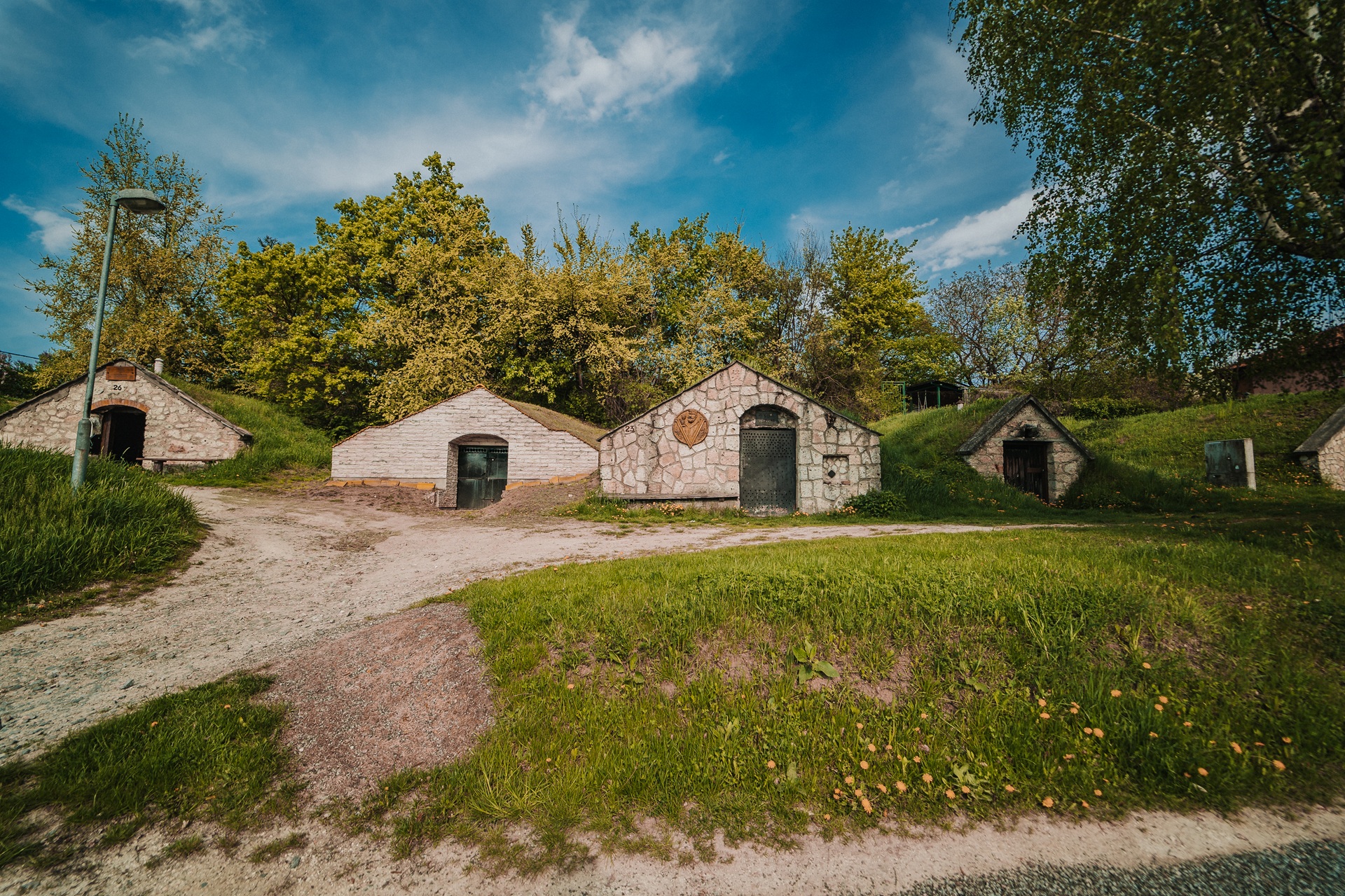
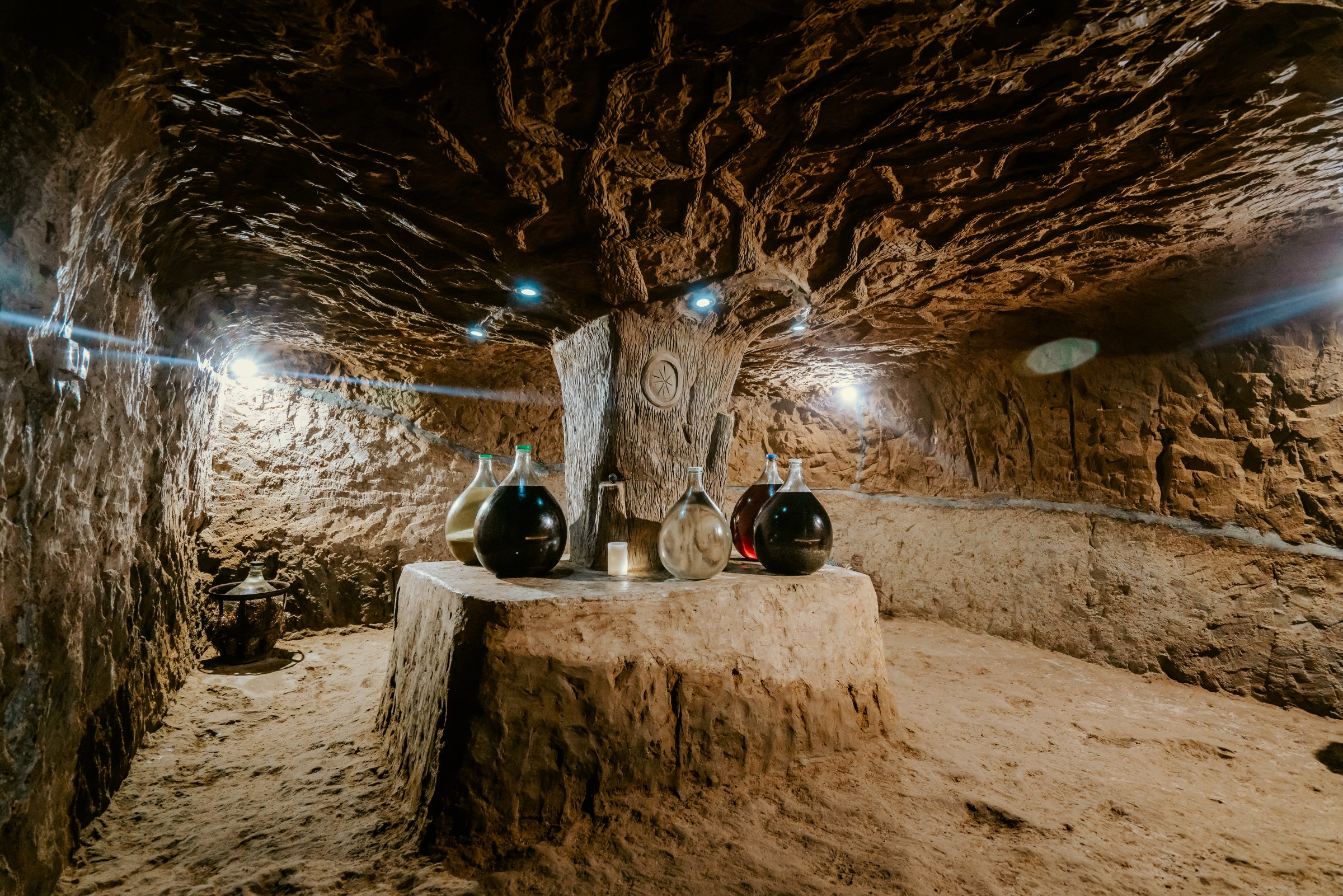
This unique wine region of picturesque Slovak villages rich in history is completed by the historical tuff cellars, where wine acquires the right flavours in barrels. Paradoxically, we can be grateful to the Turkish invasion for this experience because it was the impetus for building and digging cellars into volcanic tuff. The cellars once served as shelter from the marauding armies. Since then, the storage and maturation of wine in these cellars has been proven. The exceptional spirit of this place is also breathed into it by the conscientious work of growers, winemakers and local residents. Fairytale strolls through the vineyards and surrounding nature, traditional homemade cuisine and pleasant rural accommodation will enchant everyone who visits this unique corner of Slovakia.