Gabčíkovo Waterworks – where water shapes history on Žitný ostrov
Gabčíkovo Waterworks is an impressive complex on the Danube River that brings together technology, energy and nature. This unique project was built in the early 1990s and serves not only for electricity generation, but also for regulating the flow of the Danube, protecting the region from floods and improving the navigability of the river.
For visitors, Gabčíkovo offers a fascinating combination of engineering mastery and natural surroundings. Artificial canals, dams and hydropower plants create a landscape ideal for hiking, cycling and water sports. The nearby branches of the Danube and surrounding lakes attract anglers and nature lovers who wish to observe the rich fauna and flora of the region. Gabčíkovo is a place where water shapes both the landscape and people’s lives, connecting history with modern technology and offering experiences for everyone – from technology enthusiasts to leisure travellers.
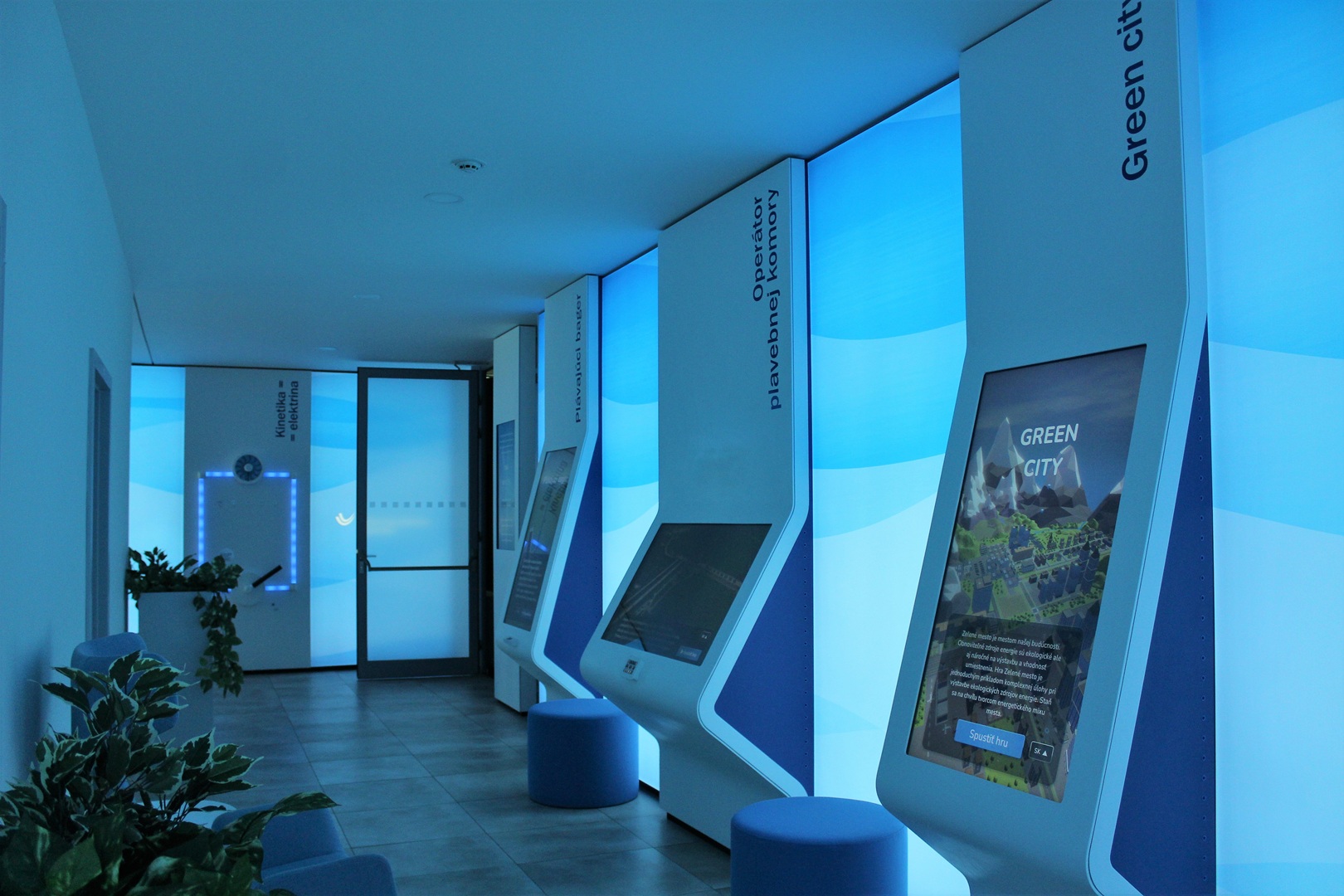
Photo: OOCR Žitný Ostrov - Csallóköz
The waterworks complex is freely accessible from the outside, allowing you to explore the dam, canals and surrounding area without an entrance fee or guided tour. Nearby you will find the Information Centre, which serves as a modern educational and presentation centre. Here you can learn more about how the waterworks operate, how electricity is generated from water, the importance of environmental protection and the history of the entire system.
Would you like to discover how a hydropower plant operates up close? Free guided tours of the waterworks complex are designed just for that. Experienced guides explain the functioning of the dam, the navigation canal and the hydropower plant itself. Visitors gain a unique insight into the technical details and the importance of Gabčíkovo for the Žitný ostrov region and for Slovakia as a whole.
In Gabčíkovo you can also explore interactive exhibitions featuring holographic projections, 3D virtual tours and touch screens. Both adults and children will enjoy the simulations, such as a navigation lock operator simulator and digital games that introduce the principles of water management and energy production. Visitors can also enjoy audiovisual presentations and themed films about the history, technology and environmental aspects of the site. A memorable highlight is the panoramic views – for example from the viewpoint overlooking the navigation locks or from the terrace of the Information Centre.
You can learn more about OOCR Žitný ostrov at kdeco.sk.
Technical Treasures of Záhorie and the Kopanice Region
Did you know that the westernmost corner of Slovakia hides a treasure you will not find anywhere else in the country? The Windmill in Holíč is not just an ordinary structure – it is the only preserved windmill of its kind in Slovakia. This two-storey machine with four sails was once a technical marvel – its entire structure rotated on a massive oak pillar depending on the direction of the wind. Fire most likely sealed its fate, leaving behind only memories preserved in archives. What visitors admire today above the Holíč granary is an impressive masonry windmill of the “Dutch type”, built in the 1880s.
In the Záhorie region you will also discover other unique mills. In the Čáčov district of the town of Senica stands an unassuming building with a fascinating interior. Škodáček’s Mill is the only preserved technical monument in Senica and a living witness to the era when craftsmanship truly flourished. The connection of all three floors allows visitors to follow the fascinating journey of grain, from the moment it enters the mill to its transformation into fine, fragrant flour. Today, Škodáček’s Mill breathes culture. In addition to the technology itself, visitors can explore two permanent exhibitions – Mills and the Milling Craft in the Area of Present-day Senica and The History of Čáčov. The mill can be visited on request from April to October.
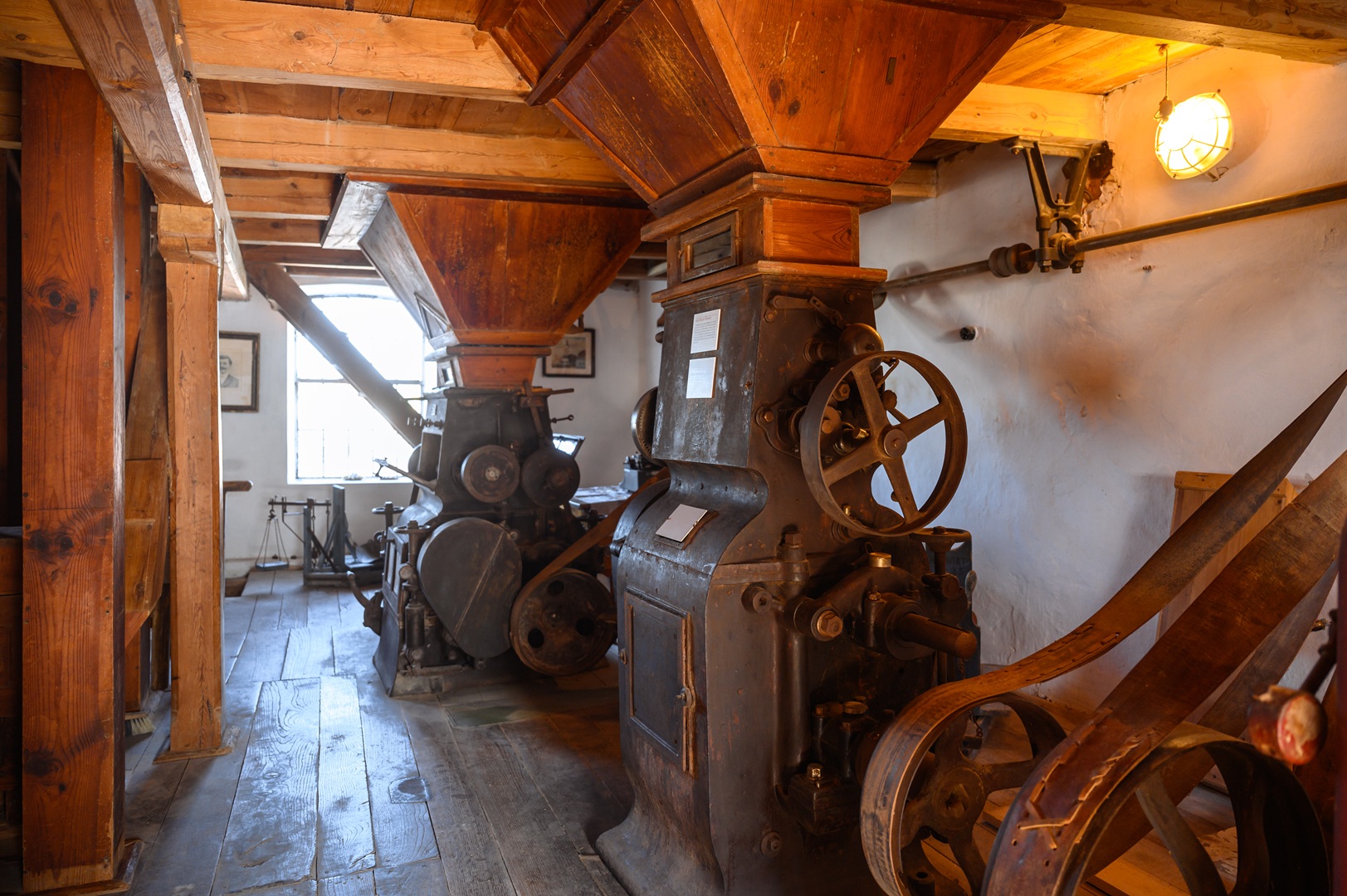
Photo: Tomáš Mrawec Bilka
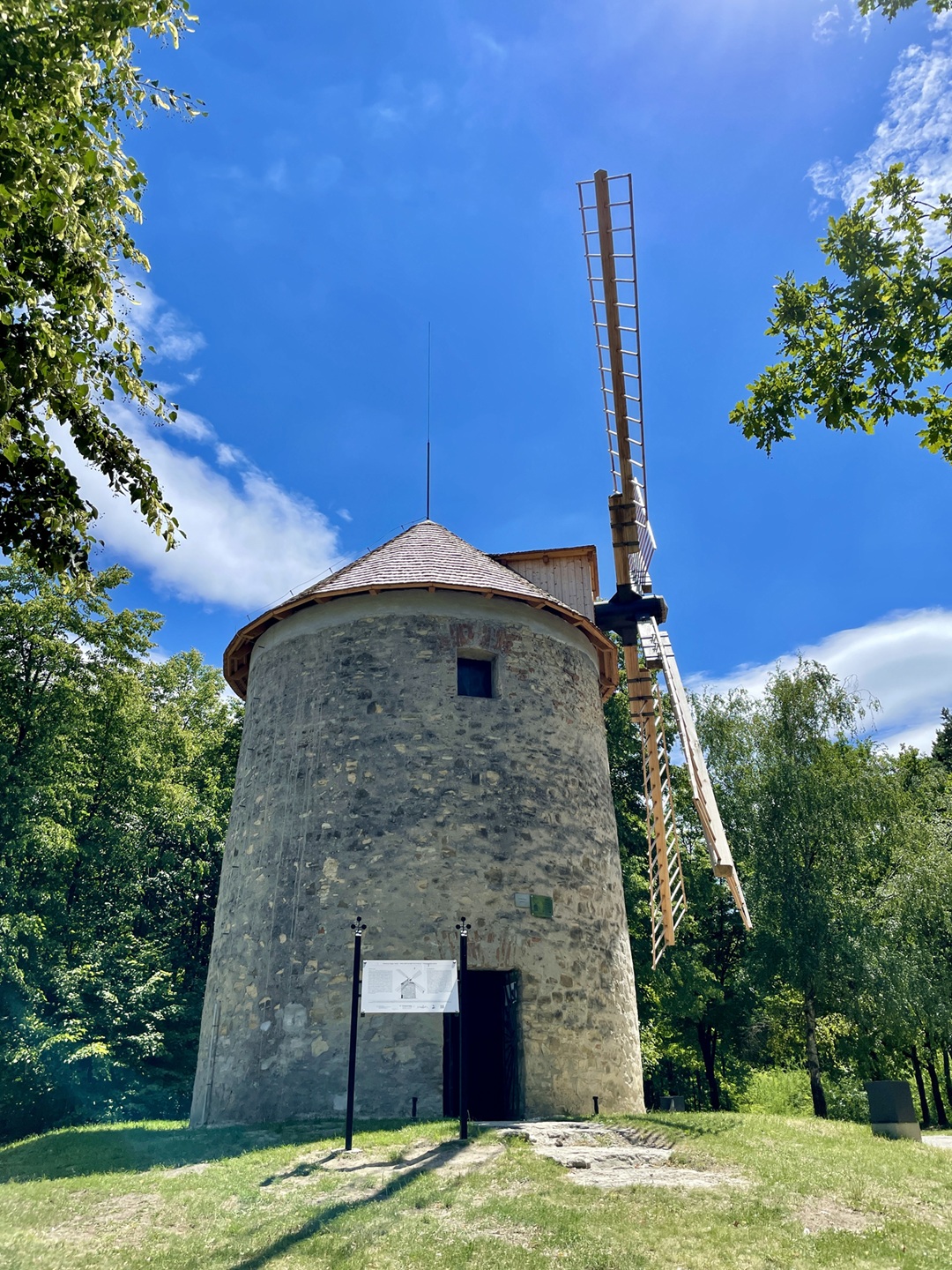
Photo: Martin Lidaj
Just a short distance from Senica, in the historically significant village of Sobotište, it is well worth visiting the Habánsky Courtyard, whose most precious gem is a restored water mill. This technical treasure is more than just a building – it is a silent witness to the skill, faith and resilience of a community that found its home in Slovakia centuries ago. The mill survived centuries, wars and several reconstructions, but by the mid-20th century its wheels had fallen silent. A turning point came between 2019 and 2020, when it underwent a comprehensive restoration as part of the project “In the Footsteps of the Habans”. Today it shines once again in all its beauty and proudly represents the oldest Habán courtyard in Slovakia. It now houses a fascinating Habán Museum, where visitors can admire perfect replicas of famous Habán ceramics, models of traditional buildings, period costumes and a detailed model of a Habán courtyard from the late 19th century.
When people think of Skalica, most imagine historic churches, charming streets and the aroma of trdelník. Yet this royal town also hides a technical gem of international significance. The Pilárik Brothers’ Mill is a place where time seems to have stopped during the golden age of milling. It was not merely a building – it was a beating heart of local economy. Wheat, rye and barley were milled here, as well as semolina and groats. Why visit the mill today? Unlike many other technical monuments, it has been preserved in remarkably good condition. For tourists it is literally a “time machine”. Inside you will find the complete technical equipment, looking as though the miller had just stepped away for lunch. The atmosphere is enhanced by a collection of historical agricultural tools and beautiful period automobiles that evoke the spirit of the first half of the 20th century.
Are you fascinated by space and its mysteries? Then be sure to visit the picturesque village of Sobotište in the Záhorie region. Amid the rolling hills of the Kopanice area you will find an inconspicuous building with a white dome that has been opening the gateway to the infinite universe for half a century. Sobotište Observatory is not only a scientific facility – it is also a monument to enthusiasm, volunteerism and a love of the night sky. Its dominant feature is the traditional rotating dome that houses the first historical telescope used at the observatory, the MDN 120. Today the observatory is equipped with modern technology for observing the Moon, planets and distant meteor showers. It also holds several unique distinctions. From its founding until today it has never had a single paid employee. At the same time, it is the only amateur observatory in Slovakia that operates a meteorological station sending real-time data directly to the internet.
Discover more interesting places and travel tips in the Záhorie and Kopanice regions at www.regionzahorie.sk and www.regionkopanice.sk.
Discover the Milling Craft in the Trnava Region of Experiences
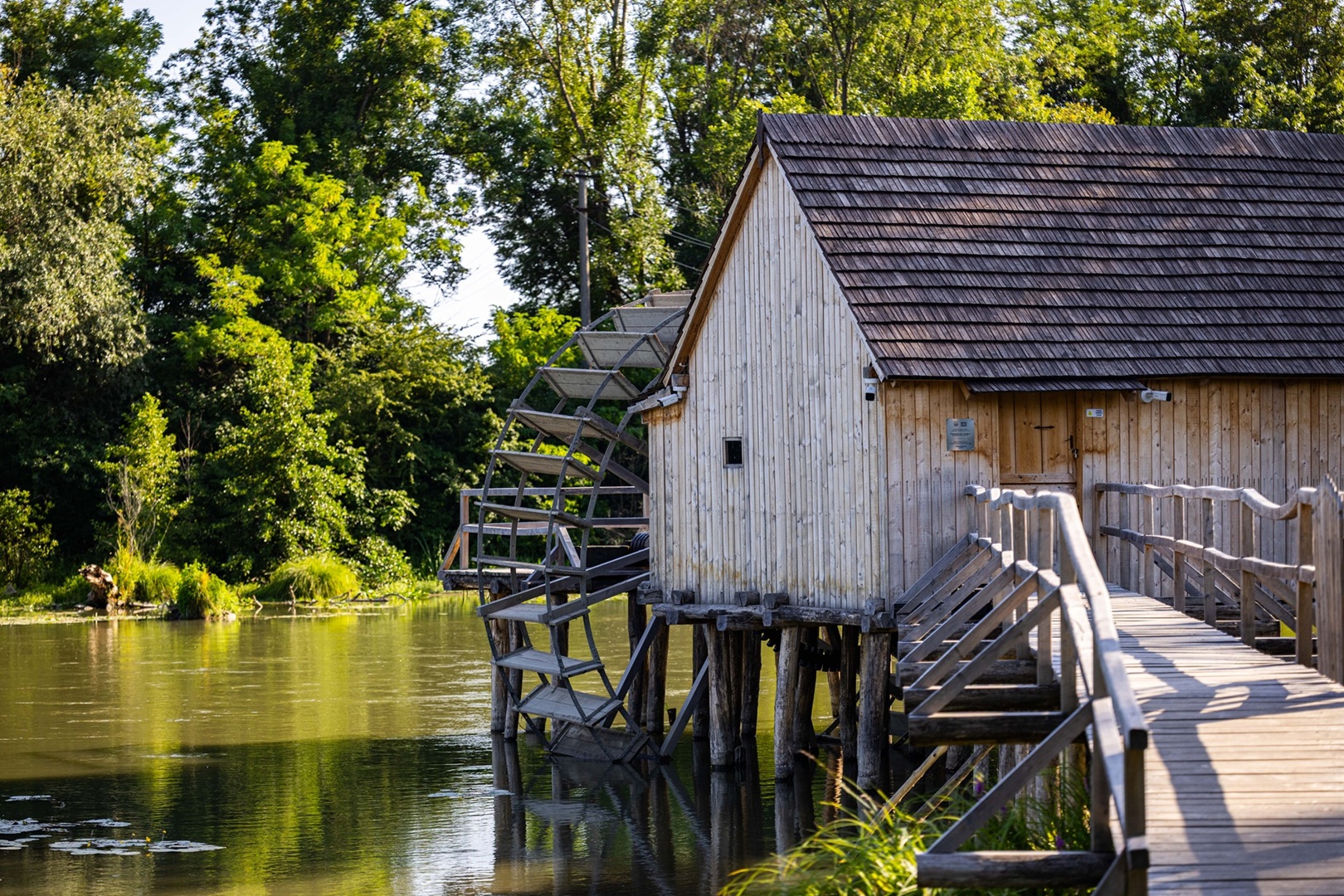
The Little Danube was once dotted with water mills, which millers later converted into ship mills. One of the last remaining examples can be found on the riverbank near the village of Tomášikovo in the Matúšova zem region.
Built in 1895, the mill is a National Cultural Monument and ranks among the most authentically preserved technical monuments of its kind in Slovakia. It is remarkable not only for its architecture but also for the fact that it has been preserved in its original state, including its functional technological equipment. After a recent comprehensive reconstruction, it once again offers visitors an insight into the everyday reality of the milling craft, which for centuries formed an inseparable part of life along the Little Danube.
The complex also includes a new visitor centre with an exhibition presenting the history of grain processing, the work of millers and the importance of waterways for the development of the region. The Tomášikovo Mill is a natural destination for cyclists and canoeists – those navigating the Little Danube have a unique opportunity to admire the mill directly from the water. The opening of the boating season on the Little Danube, known as “S Vesnou na vodu” (Spring on the Water), is scheduled for 1 May 2026.
Your journey through the region’s milling heritage can also include visits to other technical monuments in Jelka and Dunajský Klátov. The development of milling on the Little Danube is also presented in the permanent exhibition of the Homeland Museum in Galanta. For active explorers, a great tip is the easy cycling trip “Around Tomášikovo”, which leads through the peaceful landscape of the Lower Váh region and connects natural scenery with technical and cultural monuments. The route is suitable for recreational cyclists as well as families with children and offers an ideal combination of movement, history and relaxation in nature.
All the information you need about the region can be found at krajzazitkov.sk.
Traces of Technical Heritage in the Trenčín Region
Technical monuments in the Trenčín Region recall how people once worked, produced and explored. Mining, transport, crafts and science have all left behind places that today offer insight into the skill and ingenuity of previous generations. Many of these sites are open to the public and naturally combine learning with a trip into the region.
The history of mining is presented at the Coal Mining Exhibition in the town of Handlová. Visitors walk through spaces that imitate underground tunnels and discover the development of coal mining, from manual methods to mechanised extraction. The exhibition includes authentic machines, equipment and information about the everyday life of miners as well as safety in the mines.
From mining, the technical story of the region naturally continues with transport. The Trenčianska Electric Railway connects Trenčianska Teplá and Trenčianske Teplice and ranks among the oldest electrified lines in Slovakia. During the season, a historic tram runs along the line, and part of its story is a historic depot with a small transport museum presenting the development of railway technology.
The region’s technical heritage is also closely linked to the use of natural resources. Králik’s Mill in Nemšová documents more than 200 years of development of the milling craft. Preserved technologies show how grain was processed using water power and what role the mill played in the local community.
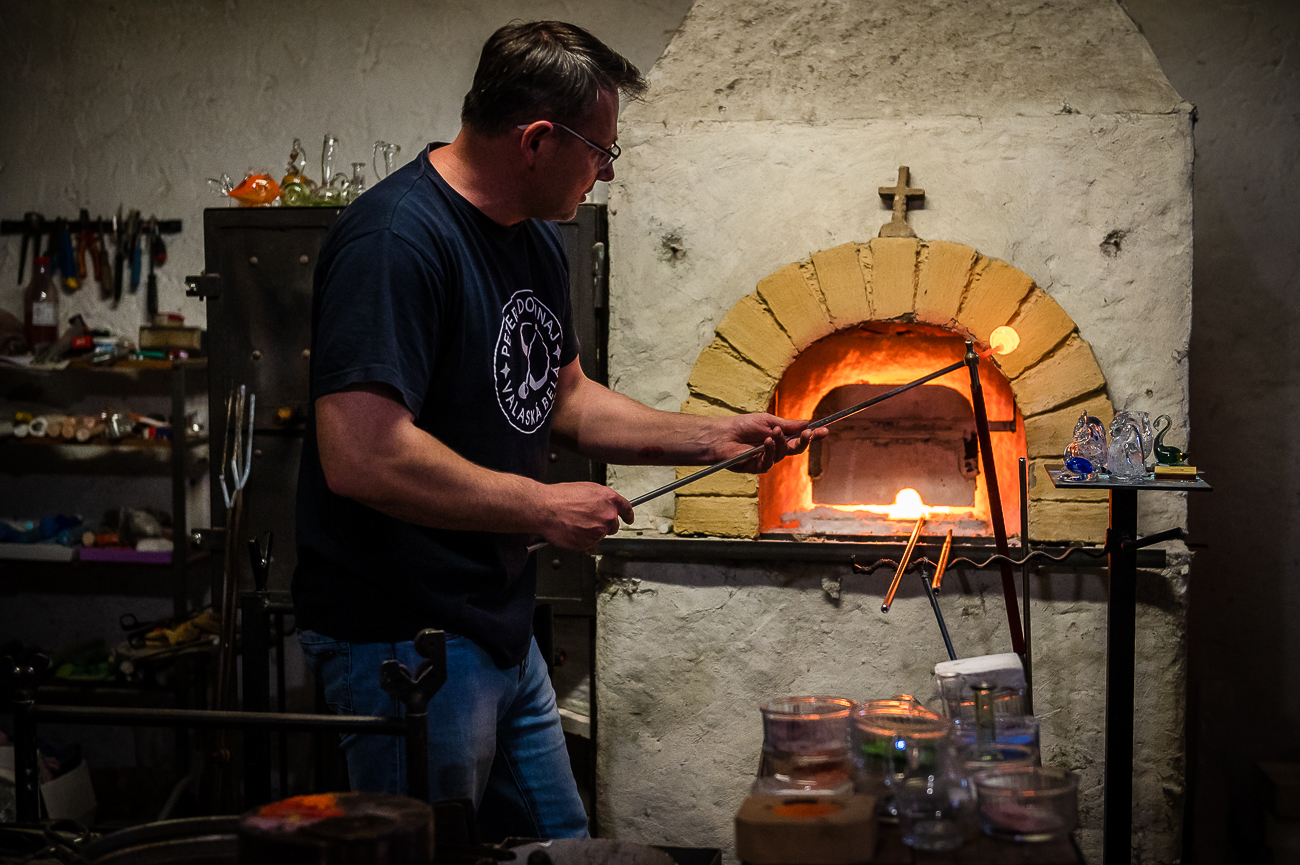
Photo: KOCR Trenčín región
Traditional glassmaking is also an important part of the region’s heritage. The company RONA in Lednické Rovne has been developing a glassmaking tradition for more than 130 years, combining manual craftsmanship with technological precision. Alongside hand-blown glass, modern processes simulating manual production are used to increase the quality and durability of the products.
The roots of this exceptional craft are presented at the unique Sklený sen glassmaking open-air museum in the village of Valaská Belá. Visitors can watch glass being shaped and blown by hand using traditional techniques. Glassmaster Peter Dolinaj demonstrates the work with glowing molten glass and reminds visitors that local glass production dates back to the 18th century.
The technical heritage of the region is complemented by science. The Partizánske Observatory, which offers sky observations and educational programmes, brings astronomy closer to the general public.
The technical monuments of the Trenčín Region show that travel is not only about nature and historic town centres. Places connected with work, production and science can also tell powerful stories and provide a meaningful reason to explore the region.
All important information about Trenčín and its surroundings can be found at www.trencinregion.sk.
The Banská Štiavnica Water Management System
The surroundings of Banská Štiavnica are known not only for their stunning nature and numerous historical monuments, but also for a unique water management system consisting of reservoirs called tajchy, water channels (jarky), and underground tunnels. Developed to support the mining industry, this system began in the 16th century. Deepening mine shafts required energy to pump groundwater and operate mining equipment, and since electricity did not yet exist, machines were powered by captured water from the system.
The system included around 70 tajchy and more than 170 kilometres of channels and tunnels. By the 18th century, it was one of the most advanced water management systems in Europe. Thanks to it, Banská Štiavnica became an important centre of innovation and progress. In 1993, the town and its surrounding technical monuments were inscribed on the UNESCO World Heritage List.
This designation, however, did not automatically ensure care and protection. The most vulnerable part of the system are the channels – inconspicuous yet crucial waterways that carried water to the tajchy. Many were neglected or destroyed over decades. Their systematic restoration is carried out by the Štiavnický tajch Civic Association (OZ). During volunteer efforts, kilometres of channels have been restored, allowing water to flow again where it had been absent for decades. The restoration has both heritage and environmental significance.
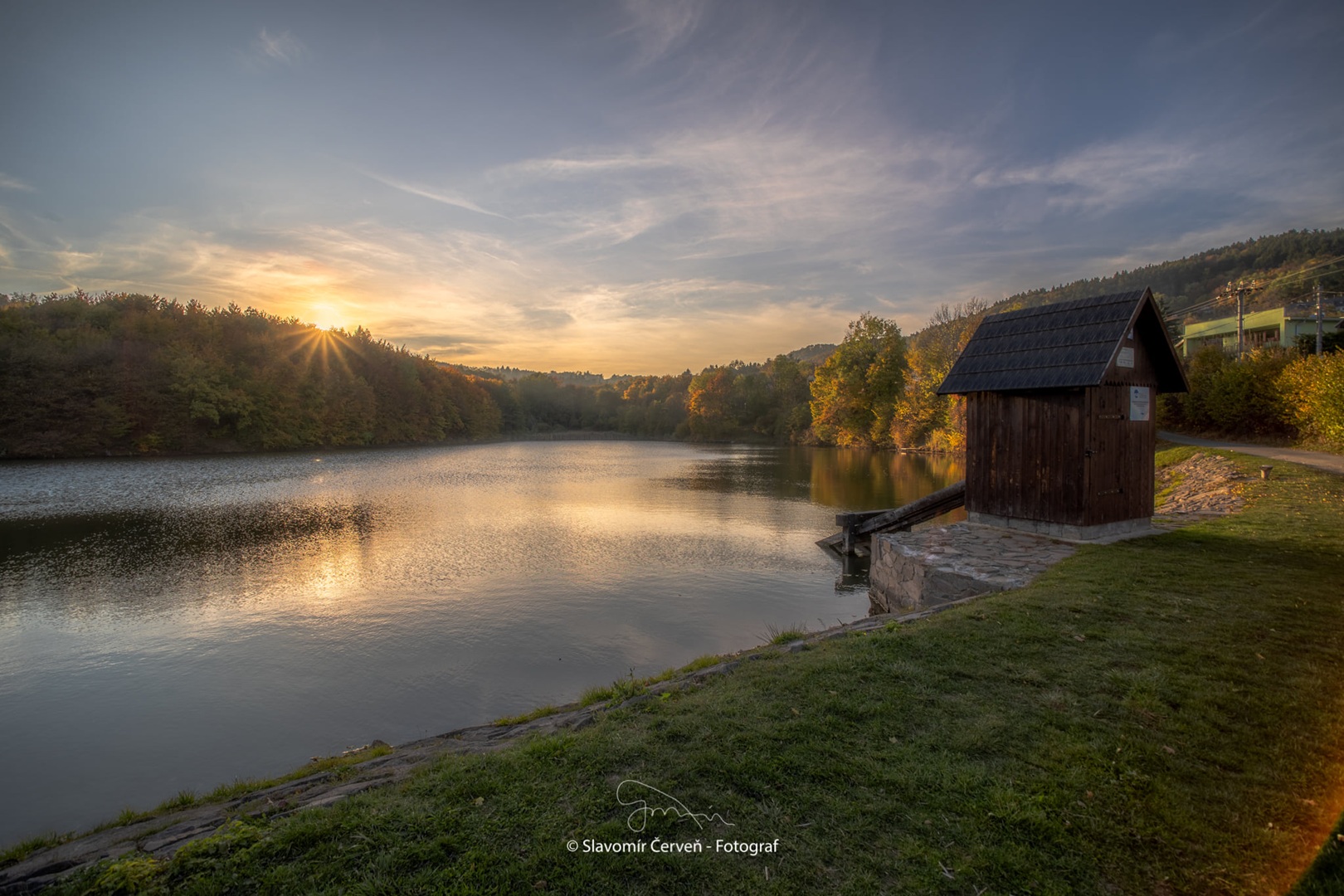
In addition to fieldwork, the association focuses on research, mapping and publications. It produces both professional and popular materials, maps lost tajchy and channels, and educates the public about the importance of this technical heritage. The goal is to show that the tajchy are not only picturesque water bodies, but an integral part of an exceptional technical system that operated for centuries and saved mining in the Banská Štiavnica area.
For visitors, the civic association offers themed guided tours that combine history, engineering and the experience of the landscape. Participants discover hidden channels, technical details, and the stories behind their construction. In this way, the technical monuments become part of an authentic travel experience.
Learn more about the work of OZ Štiavnický tajch at bstajchy.sk/oz.
Technical Gems of Novohrad – Where History Becomes an Experience
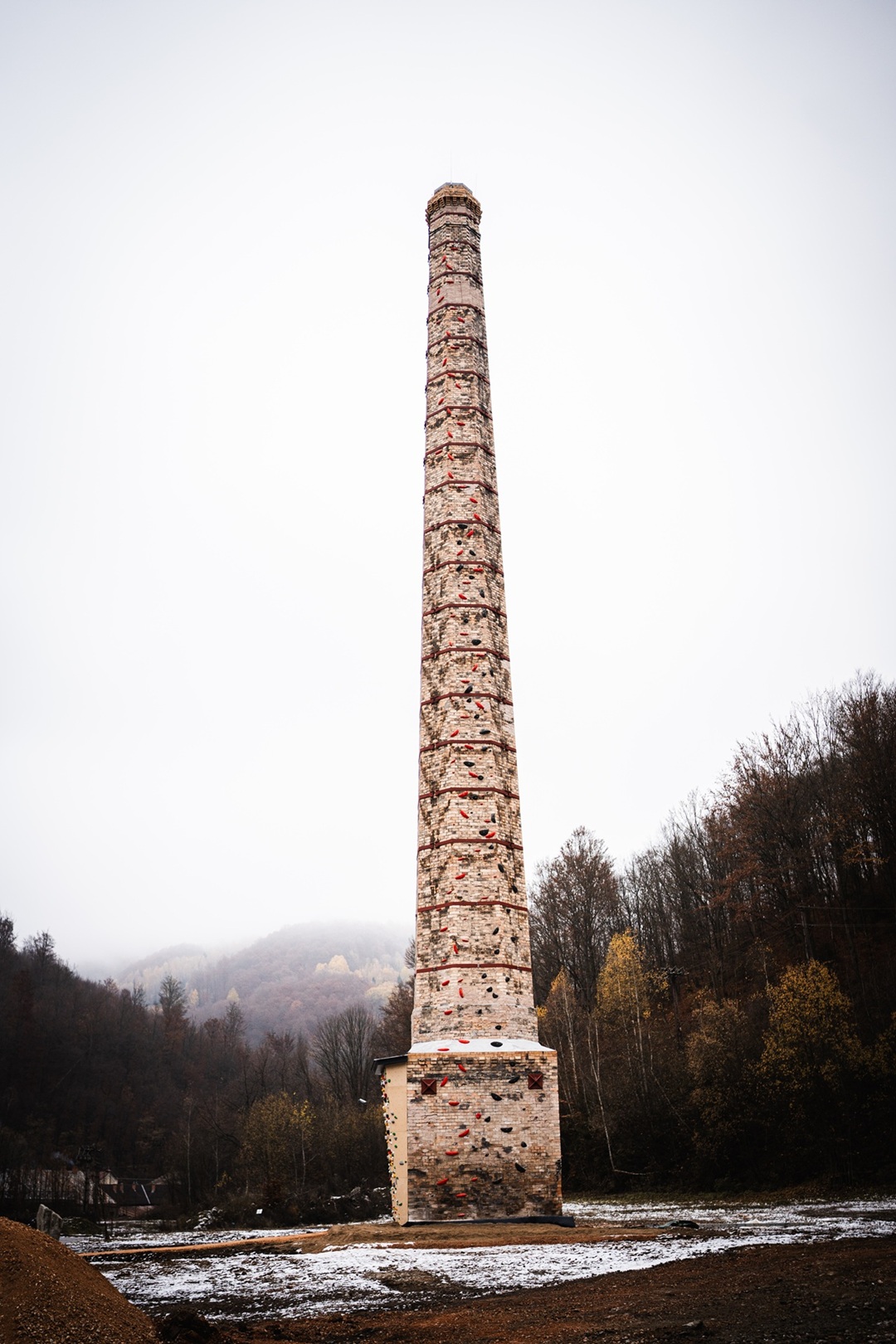
Photo: Ľuboslav Lehocký
Castles, deep forests and charming mountain meadows – these are the regions of Novohrad and Podpoľanie. Yet here you can also discover sites where engineering and human ingenuity have left a lasting mark – from daring bridges and railways to industrial landmarks that are now being given a new life. Join us on a tour of technical monuments that prove even a chimney or an old bridge can tell great stories.
In the village of Utekáč, there is a unique structure with no equivalent in Slovakia – a climbing wall built on a 42-metre chimney of a former glassworks. Once an industrial landmark for glass production, it now attracts adrenaline enthusiasts. The project is a beautiful example of how technical heritage can be transformed into a modern experience. Climbing the chimney is not just a sporting achievement – it is a symbolic return to the history of glassmaking that shaped the entire region. From the top, visitors enjoy a panoramic view of the Novohrad forests, as if standing between the past and the present.
In the town of Poltár, in the Zelené district, you will find another unique technical monument with a romantic name – the Turkish Bridge. This stone arch bridge is one of the most valuable historic bridges in the region. Its sturdy construction and precisely cut stones demonstrate the high level of craftsmanship of its era. The bridge served for centuries as an important link along trade routes. Today, it stands as a quiet witness to history and a favourite spot for photographers and technical heritage enthusiasts.
A small technical marvel amid the nature of Podpoľanie – that is how the wagon bridge in the village of Vígľaš, Pstruša district, can be described. This technical rarity was built from decommissioned railway wagons. It is a practical yet creative solution that combines engineering ingenuity with recycling. The bridge shows that technology can be not only monumental but also playful, inventive, and functional.
In Vígľaš, history also comes alive on the rails. The historic train here is more than an attraction – it is a journey back to the era when the railway set the rhythm of life across the region. The sound of wheels, the scent of wood, and the romance of a slow ride create a unique experience for visitors of all ages.
Tips from the Novohrad and Podpoľanie regions can be found at regionnovohrad.sk and regionpodpolanie.sk.
Railway-Linked Technical Monuments of Horehronie
Horehronie is renowned for its untamed nature, the majestic Kráľova hoľa, and hiking trails in the Low Tatras National Park. Yet this region also reveals another, equally fascinating side – an impressive technical heritage that tells a story of skill, courage, and precision passed down through generations of builders and railway engineers. Among the greatest treasures of Horehronie are its railway-related technical monuments.
At the heart of the region’s railway theme is undoubtedly the Čiernohronská narrow-gauge railway in Čierny Balog. Originally built to transport timber from deep forests, this historic railway now offers an unforgettable experience for families, train enthusiasts, and lovers of nostalgia. Historic trains run on three routes: through the Vydrovo Valley with its Forestry Open-Air Museum, to Dobroč station via the football field, and to Šánske through the Hrončianska Valley, where visitors can transfer to the Horehronie rail bicycles – world-famous bicycles running on rails. The Čierny Balog station itself feels like an open-air museum, where visitors can admire period carriages, locomotives, technical equipment, and a small station museum.
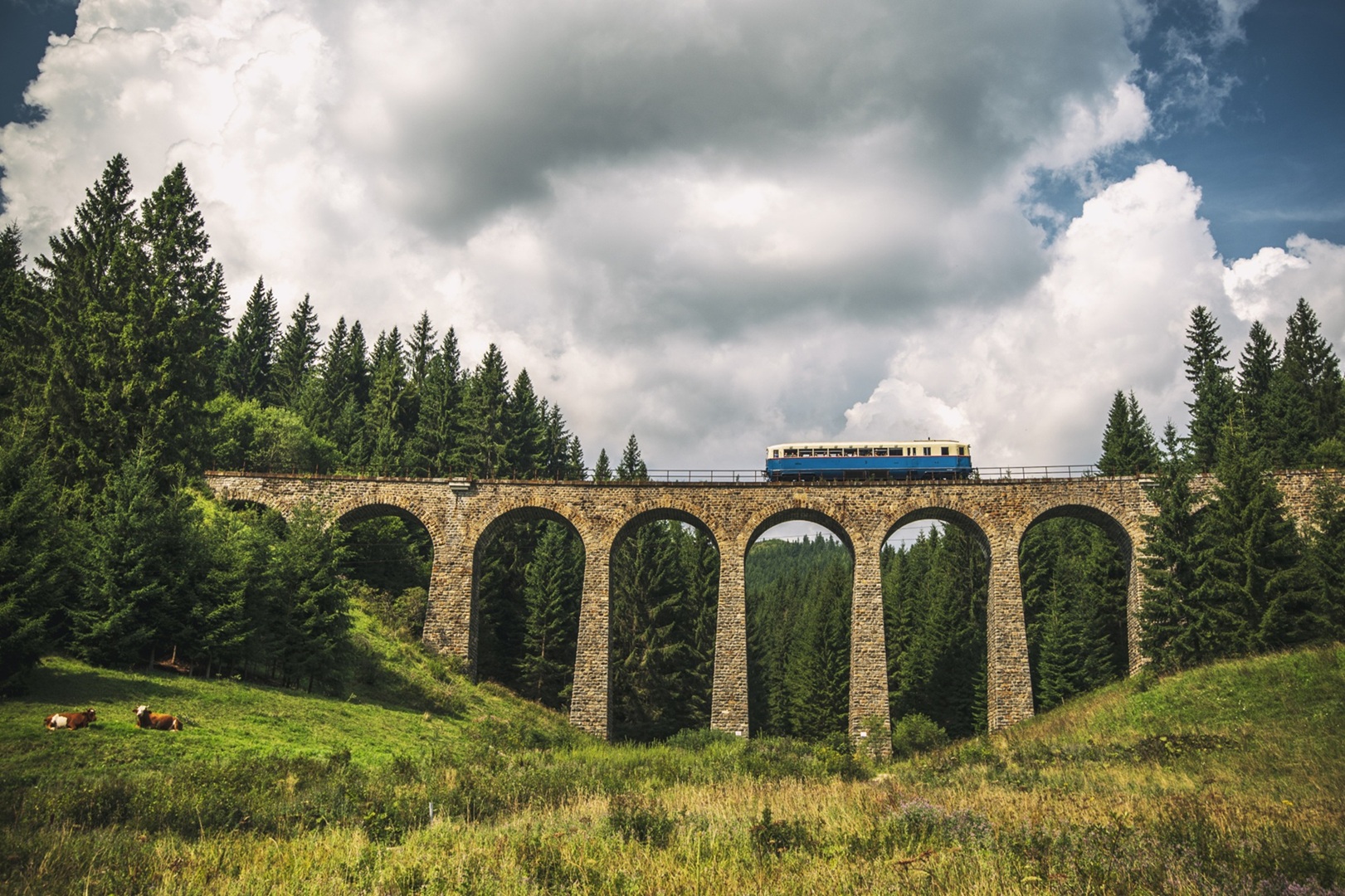
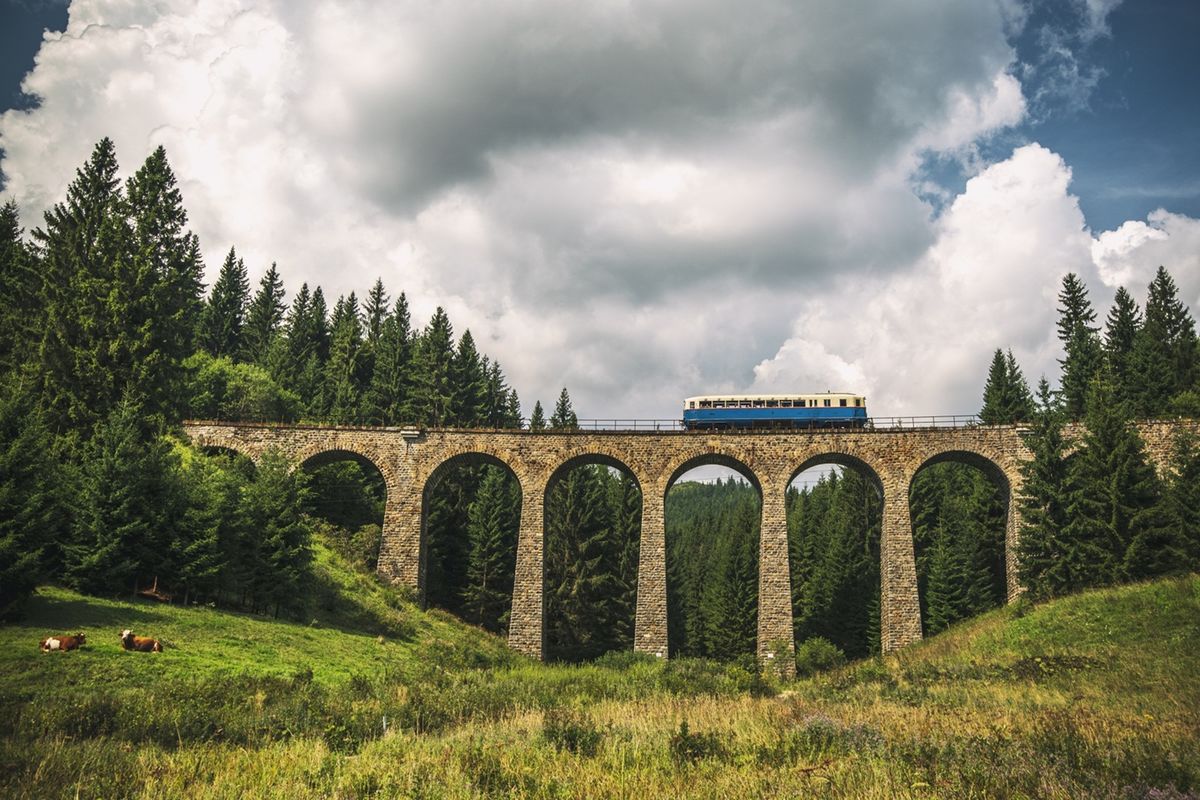
If you seek a combination of technical mastery and breathtaking nature, don’t miss the nostalgic rides on the Horehronie Express along the Banská Bystrica – Červená Skala route. This line is rightly considered one of the most scenic in Slovakia. Its highlights include two iconic railway bridges – the Chmaroš Viaduct and the Telgártsky Viaduct, among the most photographed railway structures in the country. Monumental stone arches set in the mountainous landscape create a scenery that captivates travelers and photographers alike.
The Chmaroš Viaduct is also a technical marvel due to its position on a curve and its close proximity to the Telgártska Loop – a unique railway solution that allows trains to overcome steep gradients in the mountains. The technical heritage doesn’t end from the train window. A new educational trail runs beneath the Chmaroš and Telgártsky viaducts, explaining the history of the railway construction, technical highlights, and the natural values of the area. The trail leads to the symbolic source of the Hron River, making the walk a perfect combination of active exploration, learning, and admiration for feats that harmoniously blend technology with nature.
All Horehronie attractions and tips are listed at www.horehronie.sk.
The Story of the Watermill in Spišské Podhradie
At the foot of Spiš Castle, in the part of Slovakia where trade, craftsmanship, and spirituality met for centuries, stands an unassuming yet invaluable technical monument – the Watermill in Spišské Podhradie. It is a quiet witness to the daily life of past generations and a reminder of a time when the power of water drove not only machines but the entire economy of the region.
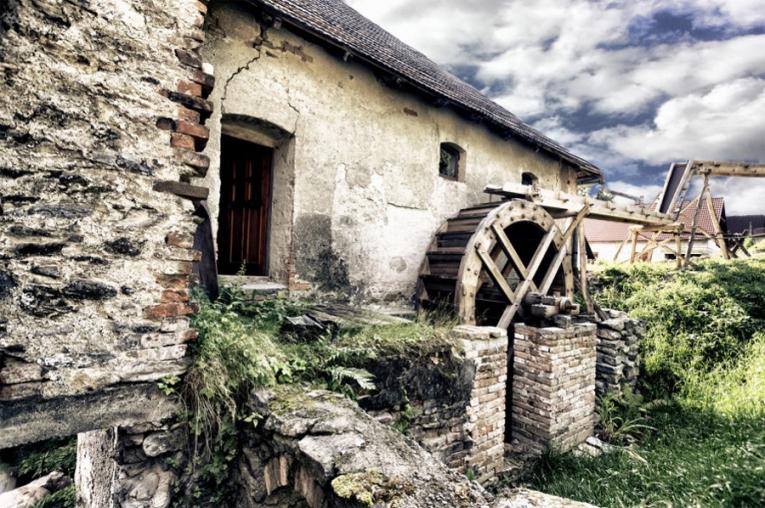
Did you know that the oldest recorded mention of a watermill in Slovakia dates back to the early 12th century? By 1872, there were an astonishing 4,500 watermills across the country, with nearly every village having its own. With the arrival of the 20th century and the technological revolution, the number of mills gradually declined. Out of nearly 900 years of watermill history in Slovakia, fewer than 50 mills remain, and only around 10 still preserve their original technology.
One of these surviving mills can be found in Spišské Podhradie. The mill building is the town’s oldest agricultural and technical structure, with the first written mention dating to the late 19th century. Since 2017, the mill has been owned by the town of Spišské Podhradie. It is open to visitors during the summer season, with detailed information available through the local tourist information center.
The Watermill in Spišské Podhradie is a place where a technical monument tells its story without words. A story of work, patience, and everyday ingenuity. It invites visitors to return to the roots and discover the beauty of simple yet well-thought-out solutions that shaped life in Spiš for centuries.
For more information about the Tatry, Spiš, and Pieniny regions, visit www.tatryspispieniny.sk/sk.
The Blast Furnace in Jakubany – an Industrial Gem in the Mountains Worth Discovering
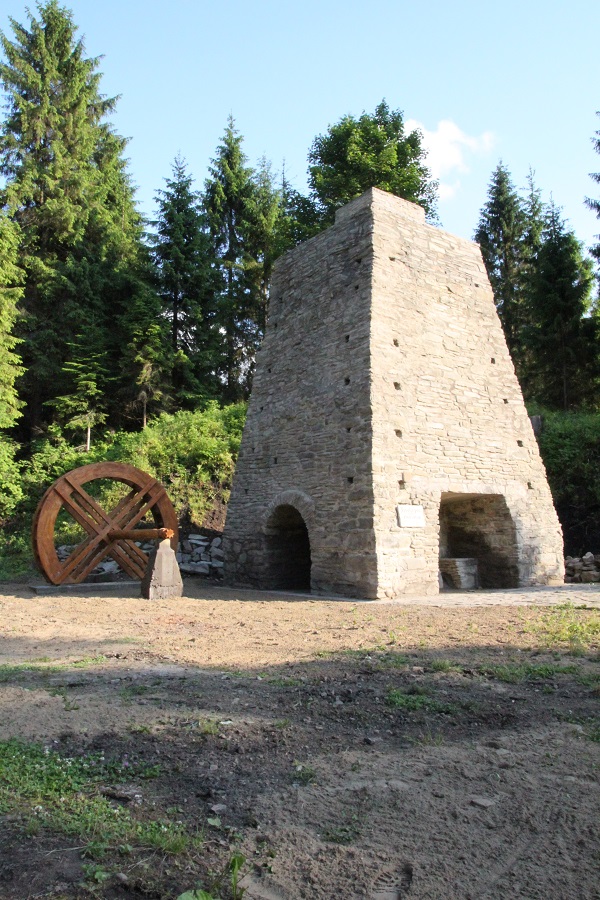
Amidst the greenery, just a few kilometers from the village of Jakubany, stands a massive stone structure that at first glance seems somewhat mysterious. It is neither a castle nor a chapel – it is a blast furnace, a quiet witness to the era when iron was produced in the local valleys. This facility smelted iron ore at high temperatures to produce raw iron.
The Jakubany Furnace is a stone structure approximately 9 meters high, with a 6 by 6 meter footprint. Such objects are rare today because industrial buildings were often demolished or rebuilt over the centuries. Here, however, the shape remains clearly readable, making Jakubany an attractive stop for families, tourists, and technical enthusiasts alike.
Why was the furnace built here? The northern Spiš region had everything traditional metallurgy needed: forests for producing charcoal (fuel), water to power machinery and processes, and accessible local iron ore. The Jakubany blast furnace operated between 1760 and 1870. You can find the site 2 kilometers south of the village in the area known as “pod Kohutovkou,” making it easy to combine a visit with a gentle walk or a cycling trip.
For more information about attractions in Spiš, visit visitspis.sk.
Šariš of Skilled Hands – Technical Monuments as Living Stories of the Region
Šariš has long been a region where people knew how to harness water, fire, iron, and even the stars. Technical monuments here were not built to display power, but to meet daily needs – to bake bread, travel, trade, or survive the winter. Today, they are transformed into experiences that immerse visitors in the real life of the past.
In the historic complex of Solivar in Prešov, you do not just see buildings – you witness processes. Brine was pumped from the ground, heated over fire, and turned into a vital resource that sustained the entire city. Guides tell stories of workers laboring in steam and heat, and explain how salt was once a strategic commodity in the Kingdom of Hungary. Guided tours here are among the most authentic experiences in the region, making them ideal for families.
The Hanušovský Viaduct was not built for beauty, but to allow trains to cross the valley and connect Šariš to the trade routes of the monarchy. Today, walking by or watching a train pass is one of the few ways to experience a technical monument “without a ticket.” Such transport structures are freely accessible and appeal to families, photographers, and enthusiasts alike.
While large constructions were state-owned, mills belonged to local people. In Veľký Šariš, the Mľinská džurka – a steam-powered wheel system – transported grain and flour between the mill and the railway. In Krivany, Haniska, and at the replica mill in Nižný Slavkov, visitors can understand the simple logic of old technologies – water meant energy, energy meant flour, and flour meant life. Many of these sites are individually accessible and make pleasant stops along the Torysa and Sekčov rivers.
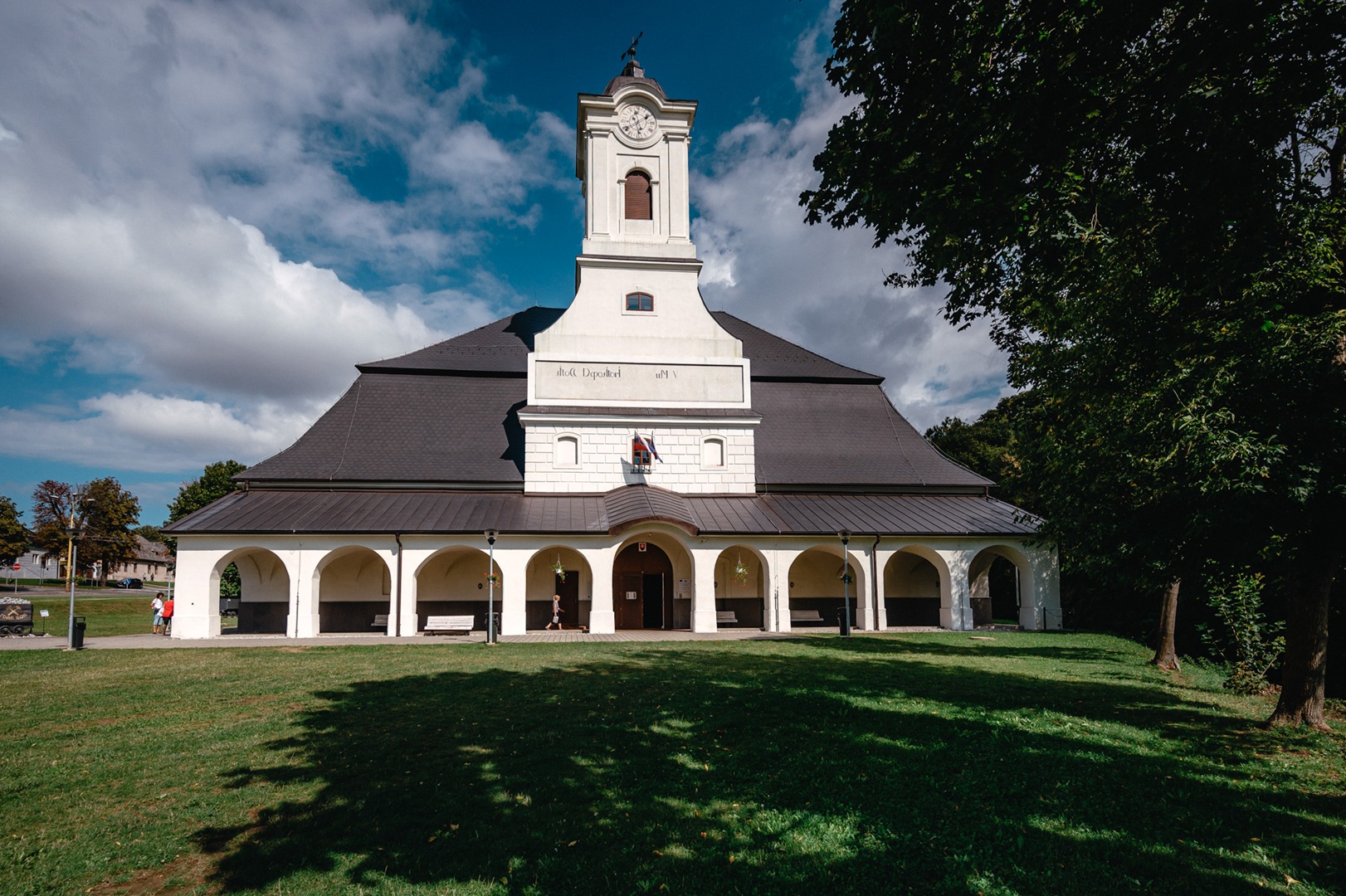
One of Prešov’s most interesting technical constructions is Kumšt – historic waterworks, which supplied the city with water. During World War II, it also served to hide the valuable Barkány collection, protecting it from destruction. In this case, technology temporarily became a guardian of culture.
When night falls, the story of technical monuments continues at the observatory in Roztoky, where astronomy adds an evening experience to the region’s offerings. Observation of the night sky expands the appeal of Šariš beyond daytime activities.
Šariš’s technical monuments form a distinct route through the region – from production and transportation to science. Some sites offer guided tours, others individual visits, and many are freely accessible. Together, they make a summer trip that showcases Šariš as a place of work, ingenuity, and real human stories.
Discover the Šariš region through www.regionsaris.sk.
Discover Technical Monuments in the Heart of Eastern Slovakia
Plan a trip to Košice to explore historical sites with a technical focus. Learn about the development of technology in the metropolis of eastern Slovakia and take home enriching experiences and new knowledge.
Start your journey directly on Hlavná Street in Košice at the Slovak Technical Museum. It offers a rich collection of artifacts and exhibits covering various fields of science and technology. Admire the star constellations in the Planetarium and uncover astronomical secrets on site. The main museum building guides you through areas ranging from mining and metallurgy to artistic blacksmithing. Be amazed by physical phenomena in the Hall of Electric Discharges and learn something new in the Aurel Stodola Energy Department.
Your exploration of technical monuments can continue at the nearby East Slovak Museum on Námestie Maratónu mieru and its branches scattered throughout the city center. Currently, you can visit the new exhibition “Pharmacy at God’s Eye” showcasing historical pharmaceutical tools and equipment. Other highlights include the Memorial House of Francis II Rákóczi, the unique Košice Golden Treasure, and guild artifacts displayed in the former Mikluš Prison cells as part of the “Košice Centuries” exhibition.
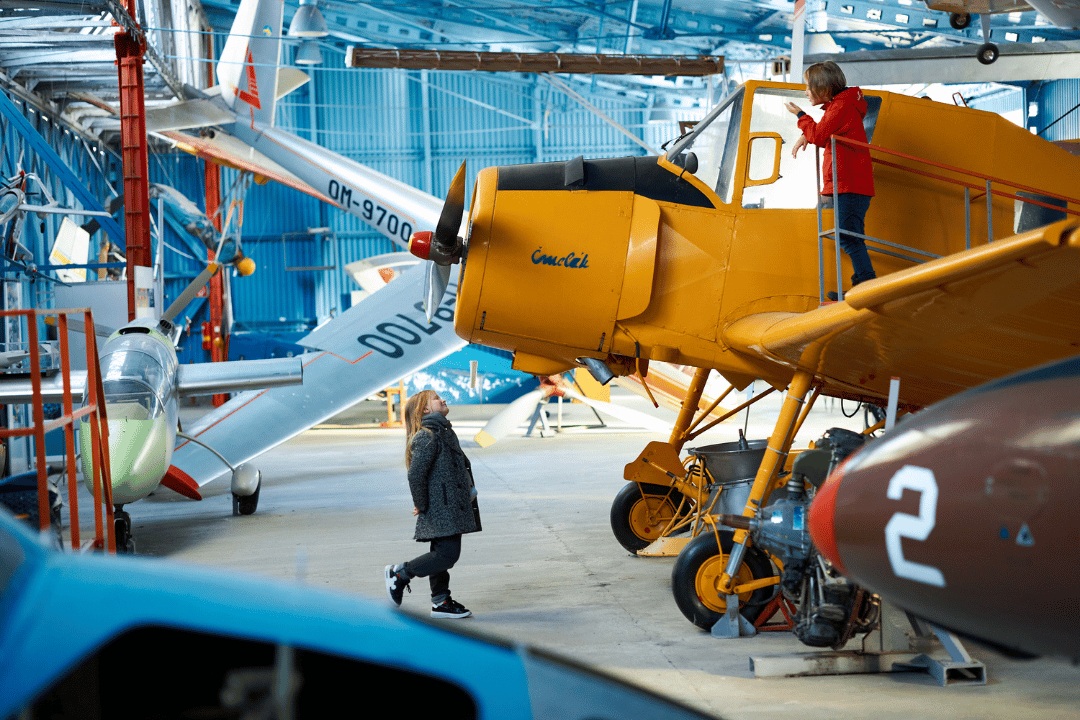
The grand finale is at the Aviation Museum in the Košice International Airport area. Here, you can admire government aircraft and the evolution of aviation technology before and after World War II. Exhibitions include the Golden Era of Czechoslovak Aviation, Road Transport I & II, and Aviation Meteorology. Aviation enthusiasts can look forward to a special experience this September with the celebration of the 35th anniversary of the White Albatross aircraft during the planned SIAF 2026 International Air Days.
For more about technical monuments and architectural gems throughout Košice, visit www.visitkosice.org.