The perfect City Break in the east – the metropolis of the east will enchant you
Immerse yourself in historical and cultural experiences that you’ll enjoy every step of the way in Košice. We’re not only talking about drama and a walk along the Košice promenade – discover centuries-old Gothic churches, an iconic swimming pool turned into a hall of arts, a picturesque alley filled with Košice crafts and other romantic Košice spots. We offer you tips on what you should decidedly not miss when visiting the metropolis of the east.
Spiritual monuments
When visiting Košice, it is all but impossible to avoid the magnificent queen who sits enthroned in the Old Town centre on the lenticular-shaped Hlavná ulica [Main Street]. Spend a few hours touring on your own or set off with an experienced guide and learn interesting facts and titbits from the stories about the Dóm svätej Alžbety [St. Elisabeth’s Cathedral]. In its interior, you’ll also discover the famous Žigmundova veža [Sigismund’s Tower], the tomb of Francis II Rákoczi, the royal staircase and balcony and dozens of other interesting things.
Next to the Cathedral, you a must-see stop is the recently renovated Urbanova veža [Urban’s Tower] dedicated to the patron saint of winegrowers, St. Urban, where you will also find excellent exhibitions on display. In front of the entrance, notice the impressive Urban bellwith spiritual inscriptions in Latin.
The boards that convey the world
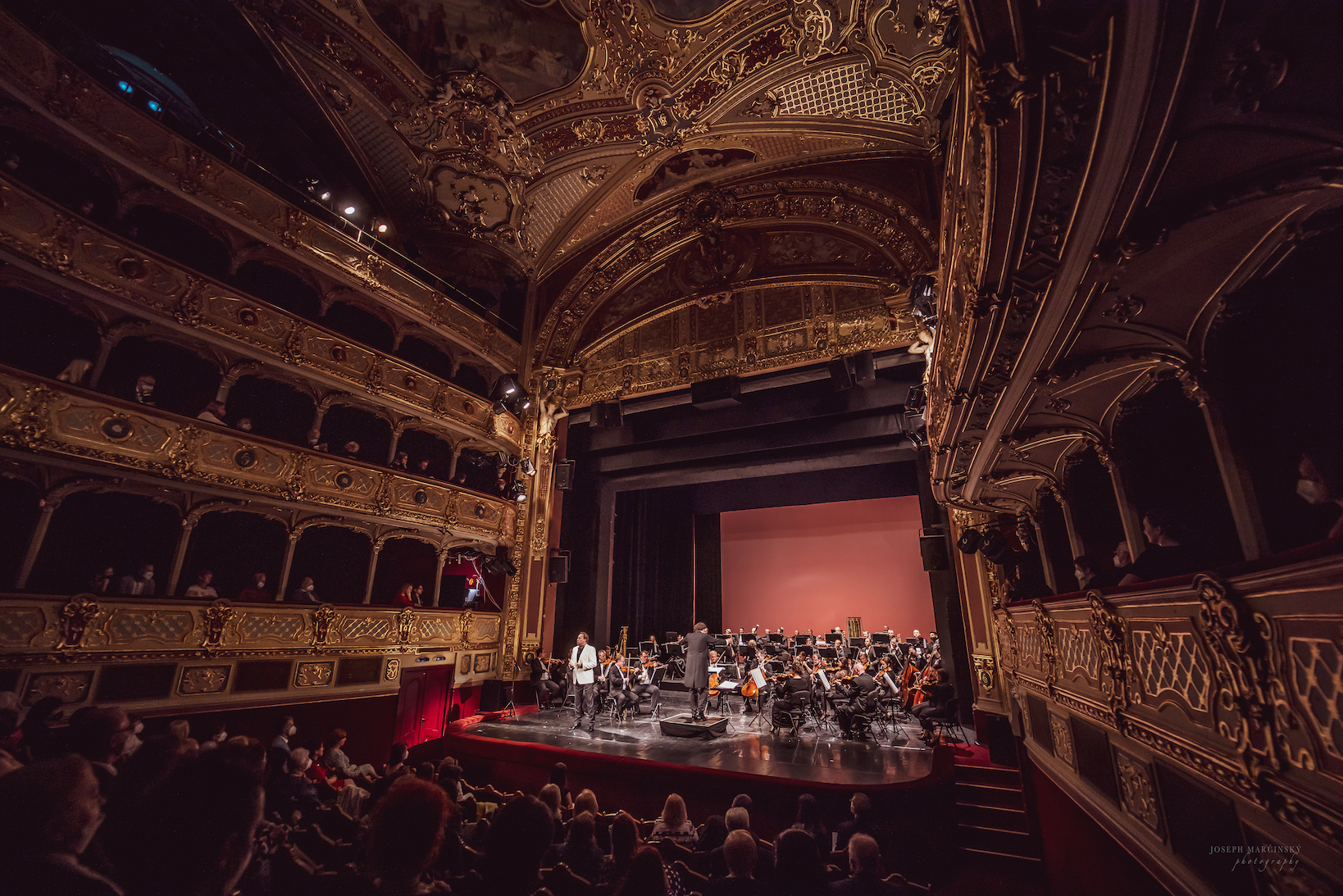
Reserve your autumn evenings in Košice for unforgettable performances in the neo-Baroque historic building of the Národné divadlo Košice [National Theatre Košice]. It offers a colourful pallet of plays, operas, operettas, ballets and popular talk shows or more intimate performances on the Malá scéna [Small Stage].
You can see well-known Slovak and local actors at the Mestské divadlo Košice [Košice City Theatre] in the hall of the Historic radnica [Town Hall] at no. 59 on Hlavná ulica. If you’re more interested in original works by independent artists, go to the Divadlo Na Peróne [Theatre Na Peróne] on Zvonárska ulica. Here you’ll look into a world of poignant topics and authentic acting performances.
Architectural monuments
Are you one of those folks who walk in new cities with their heads in the clouds and their eyes on eye-catching facades and facings? We invite you to admire the architectural gems in the streets of Košice – you’ll find many of them not only in the largest urban monument reserve in Slovakia but also along the edges of the city.
Focus your attention on the first five-star resort Villa Sandy in the City Park, which is located in the building of a former skating pavilion, or the nearby Kunsthalle/Hala umenia [Hall of Art] a once dilapidated swimming pool that now serves as a venue for modern art exhibitions or popular events.
Or set off on a tour of Villa Mathéand discover an artistic jewel of Košice in the family house of sculptor Ján Mathé and his wife Eva. The only Bauhaus building in Slovakia became a national cultural monument in 2019 and is a preserved informal museum of this former Košice sculptor.
A dose of independent culture
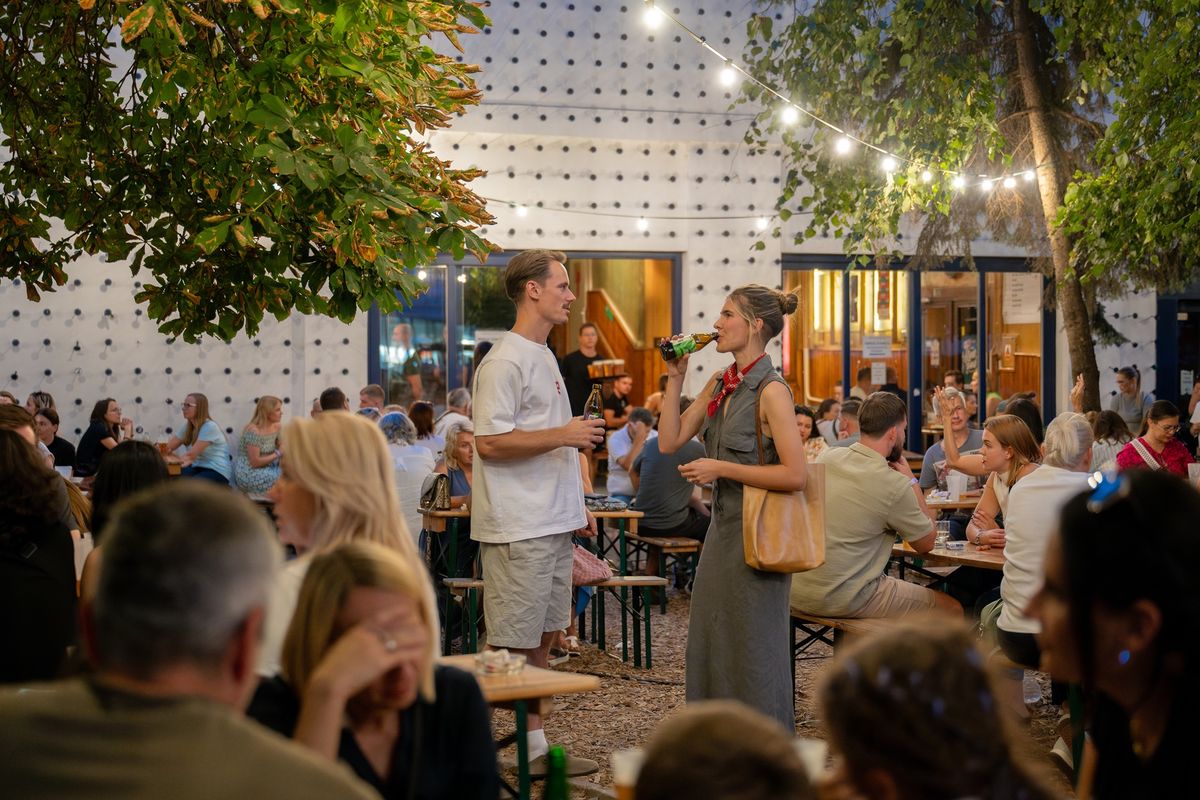
When visiting Košice, don’t miss the places that are daily meeting spots for local patriots, where you can become part of the Košice community. Come to know the magical atmosphere of the legendary Kino Úsmev [Cinema Smile] and its popular terrace, where you’ll experience endless debates between locals and the tasting of local street food.
A short walk from the cinema and you’ll arrive at the independent culture centre Tabačka Kulturfabrik with space for exhibitions, film screenings, dance performances, open-air concerts and brilliant festivals. For other cultural experiences both during the day and at night, we recommend visiting the Kasárne/Kulturpark complex with its diverse programme and a unique atmosphere.
Romantic places in Košice
Take a walk with us through a city that you’ll fall in love with at every step. Discover picturesque corners of Košice and romantic sites, such as the pleasant Mestský park [City Park] between the Old Town and the Košice Railway Station. Dozens of generations of Košice residents have long sought out this place during every season of the year.
Undoubtedly the most beautiful street in the city – Hrnčiarska ulica [Potter’s Street] or the Ulička remesiel [Crafts Lane] – is also worth a visit. It’s filled with local artisans and is also known for the famous Calvinist Church and a cozy breakfast room.
You’ll find all other verified and secret tips or the current Calendar of Events on the Visit Košice website.
Nitra captivates with its history and theatrical tradition
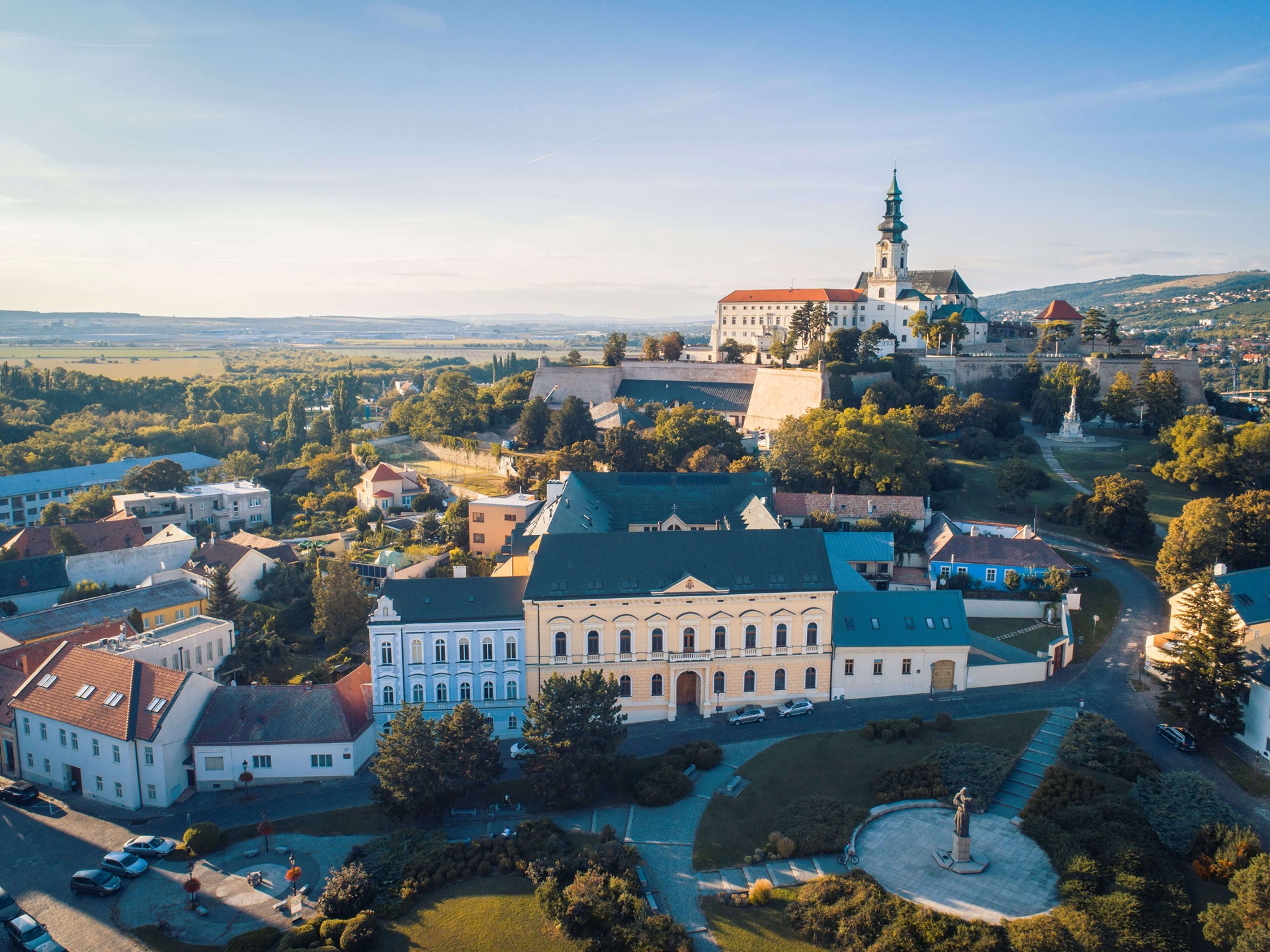
Do you have a free weekend ahead of you? Then come and experience Nitra. Discover an ancient city built, like Rome, on seven hills and which hides a combination of diverse culture, history and easy tourism. The city is known as the cradle of Christianity in Slovakia, and its dominant feature is the majestic Nitriansky hrad Castle. The centre will delight history lovers, and though it is pulsating with culture, you’ll also discover quiet streets and lively squares. Every visitor feels welcome in the city below Zobor hill.
Discover the city’s rich history
We recommend starting your visit to Nitra with a tour of one of the largest medieval castles in Slovakia. The history of Nitriansky hrad Castle stretches back to the period of Great Moravia and is associated with the spread of faith, the Cyril and Method tradition and the legends of King Svätopluk. Inside it you’ll find the ancient Bazilika sv. Emeráma [St. Emmeram’s Basilica], whose tower offers beautiful views of the entire surroundings.
The surrounding medieval wallsonce served to defend the city from attacks by the Ottoman Turks. Today, during the Leto na Nitrianskom hrade[Summer at Nitra Castle], they provide space for concerts, cinema under the stars and experiential workshops. Thanks to them, you can for a moment become an ancient Slav or learn to dance Latin American dances.
In the unique Diecézne múzeum [Diocesan Museum] you’ll discover a rare collection of sacred objects. You’ll also find the oldest monuments of literature here – the Zobor charters from the years 1111 and 1113. On the way from the castle, you won’t want to miss a visit to the unique and architecturally very interesting Diecézna knižnica [Diocesan Library] with more than 66,000 rare volumes of books. You should also stop at the Pražiareň pod hradom[Coffee Roaster und the Castle], which offers fresh coffee originally roasted in Nitra.
Nitra’s theatre tradition
In the Lower Town, you’ll will be astonished by the theatre tradition of Nitra. Did you know that the city offers three permanent theatre stages with a rich offer of different genres? Divadlo Andreja Bagara v Nitre [Andrej Bagar Theatre in Nitra] is located right on the main square, followed by the Staré divadlo Karola Spišáka v [The Old Theatre of Karol Spišák in Nitra] and the Nové divadlo [New Theatre]. At the beginning of summer, the city also hosts the international multi-genre festival Divadelná Nitra[Nitra Theatre Festival] as well as many other festivals, cultural summer events and the largest city celebrations, called Nitra, milá Nitra[Nitra, Dear Nitra].
We recommend ending your city tour or theatre visit with a good dinner on Svätoplukovo námestie. We particularly recommend the offer of local breweries and wineries.
Excursions in the area
On the next day you can set off on a hike in the Zoborské vrchy Mountains, not far from Nitra. You can start your trip with a tour of the oldest monastery in Slovakia, which is the Zoborský kláštor Monastery, which has been writing its history since the 11th century. The monks who lived here were devoted to their spiritual mission and healing. They also brought the tradition of winemaking to the region. The monastery ruins today offer beautiful backdrops for chamber concerts, workshops, wanderings or interactive tours.
You can then continue towards the majestic Zobor hill, once a mighty fortress that guards the city. The top of it offers a majestic view of the wide surroundings. If you’re in the right mood, you can also try the local ferrata Zobor. This is the only via ferrata in the Nitra Region and offers nine accessible routes.
Do you think you’ve seen everything? Certainly not. Get on your bike and set off to explore Nitra along the river. The network of local cycling routes is truly rich.
For more tips, visit the website https://krizomkrajom.sk and the tourist website of the city of Nitra at www.nitra.eu.
Trenčín lives with culture and awakens curiosity
A pulsating centre of culture, creativity and inspiration – that’s Trenčín. A city where the past meets modern life: From the Roman inscription “Laugaricio” and the majestic castle to elegant Art Nouveau buildings, stylish cafes, galleries and festivals that attract visitors from all over Slovakia and abroad. On 14 February 2026, during the opening ceremony, Trenčín will officially become the European Capital of Culture, together with Finnish city of Oulu.
Trenčín is taking on a new look
The city is in these moments literally alive with preparations for the European Capital of Culture 2026 project. Public spaces and squares are being reconstructed, as are the buildings of cultural institutions such as the Trenčianske múzeum v Trenčíne [Trenčín Museum in Trenčín] located directly in Trenčiansky hrad Castle, the Galéria Miloša Alexandra Bazovského v Trenčíne [the Miloš Alexander Bazovský Gallery in Trenčín] or the Verejná knižnica Michala Rešetku[Michal Rešetka Public Library]. As part of the project, an experiment is being conducted with the closing of some streets in Trenčín, so that they can be returned to people again for at least a few days.
Architecture in motion
In 2020Trenčín won the prestigious Slovak architecture prize CEZAAR. Architecture and urbanism are not just theoretical concepts for the city; gradual transformations are part of its new identity. Therefore, several major events are planned for October 2025, during the month of architecture, including guided tours, expert discussions and installations in public spaces.
The exhibition Pod povrchom[Under the Surface] at the Miloš Alexander Bazovský Gallery will unveil proposals for an artistic intervention for the main city foot tunnel, while the project Citlivo o brutalizme[Sensitively about Brutalism] will bring six new works by contemporary architects directly to the city streets. There will also be lectures on the protection of modern monuments, an evening discussion at the ODA cultural centre, and interactive installations such as Vzduchohľadňa[Air View] and Mäkké mesto[Soft City], which link architecture with climate change.
A valuable architectural gem of Art Nouveau architecture in Trenčín is the Židovská synagóga [Jewish Synagogue]. Restoration work is currently ongoing here, though the building interior was largely restored last year. Here, visitors will find an exhibition of the history of the Jewish community in Trenčín and the Považie region. The synagogue will be reconsecrated in early November 2025, something that has not happened anywhere else in Slovakia since 1989.
City on a river
Trenčín is literally a city on a river. Visitors will be able to see this for themselves in September 2026, with the opening of the Fiesta most Bridge – the iconic structure of the European Capital of Culture. The Fiesta Bridge is a disused railway bridge that is being reconstructed, so that a promenade with cafes, art studios and community spaces will be created there. In addition, a cycling path and walking trail to the opposite bank of the Váh River will officially lead there. This will also open up new views of the city’s dominant feature – Trenčiansky hrad Castle.
Dining in a new guise
Thanks to the European Capital of Culture project, Trenčín even “tastes differently” now. The Degustories projectis revealing the tastes of the people of Trenčín and connecting them with specific gastronomic establishments. In cooperation with the Lánius Trenčín brewery, the city already has its own beer – Mesto v pohaři 13°[City in a Glass 13°].
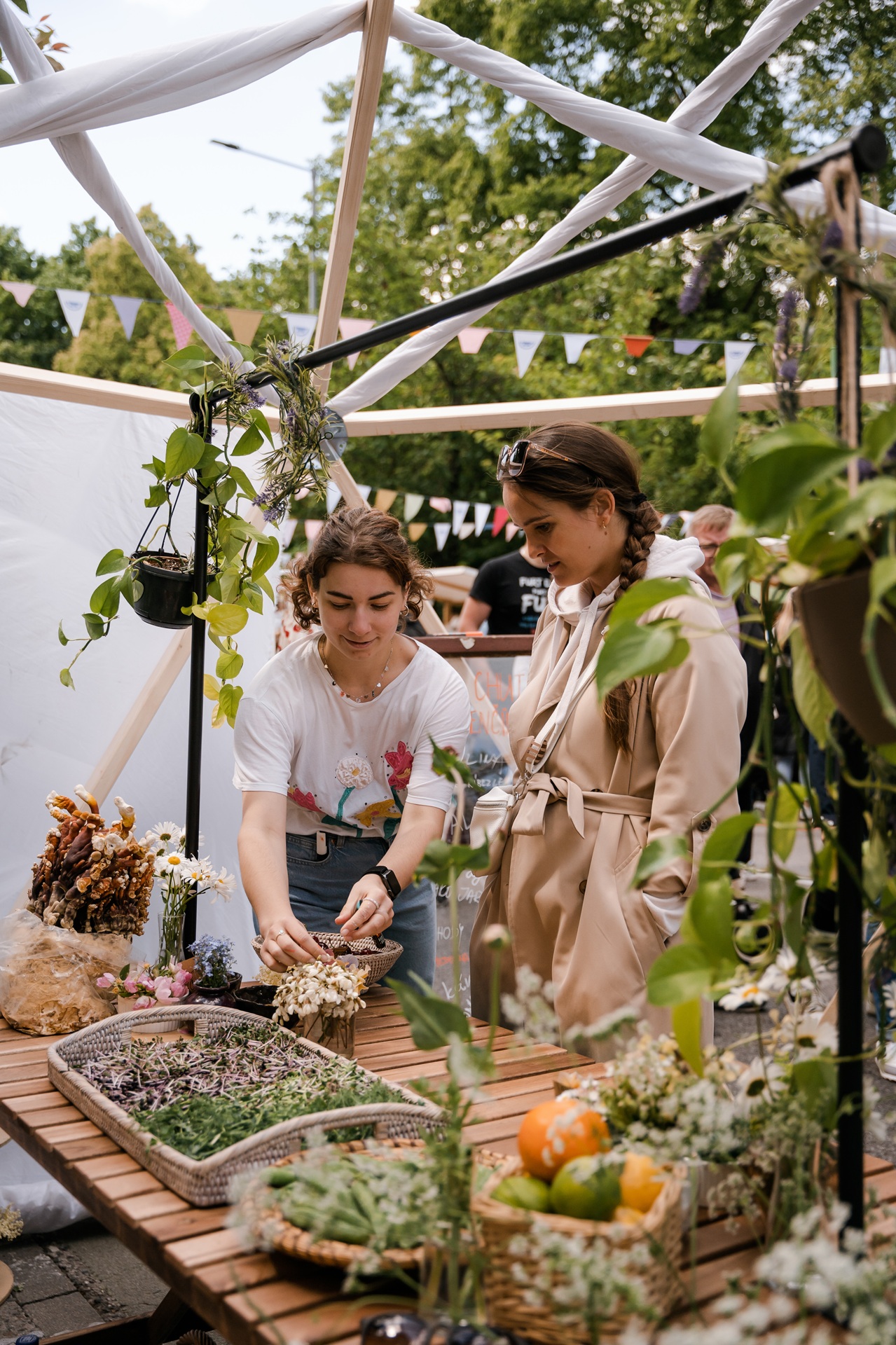
Degustories is collaborating with a young local chef, Pavol Žiška, who returned to Trenčín after his experience at a Michelin restaurant in Norway. He is also a local grower of herbs and microgreens, with which he takes part in the ŽiTo v Sýpke Market in Moravské Lieskové. This has become a newly discovered cultural and community spot. Among other things, it also provides environmental education for schools.
Trenčín also wants sports
What Trenčín has that other cities do not have is an official single trail area – DIVO trails. It’s located directly above the historic city centre, next to the Trenčiansky hrad Castle in the lesopark Brezina [Brezina forest park]. Autumn is the perfect time of year to visit it. There are trails of varying difficulty, including those suitable for the little ones. Visitors can choose from simpler flow trails to more technical tracks with jumps, banked turns and other elements.
You’ll find more information and interesting tips on the website: visit.trencin.sk
Visit Žilina and let the city’s stories carry you away
Žilina is a city that hides not only a rich history, but also a modern, vibrant cultural life. From ancient monuments to modern culinary experiences, everyone will find their place here. The city’s centre is not large – you can walk from one end to the other in a couple of hours – but you’ll still have plenty of time to enjoy the unique atmosphere of its squares, as well as quality restaurants and stylish cafes.
Historical treasures of the city
The gateway to the city is Národná ulica, at the end of which a beautiful view of the dominant Katedrála Najsvätejšej Trojice [Cathedral of the Holy Trinity] with a balustrade that opens before you. Next to the cathedral stands the Burianova veža [Burian’s Tower], which in the past served a defensive function and today serves as a city observation tower. It tells visitors the stories of its builder, Burian Svetlovský, and draws them to admire the century-old bells while offering a wonderful view of the city centre and picturesque panoramas of the surrounding mountains.
What was once the narrowest lane in the city, Burianova medzierka, leads you to the historical heart of the city pod Dubňom [under the Dubeň hill]. Mariánske námestie [Marian Square] is typical for its square layout and open arcaded corridors, which extend into adjacent streets. We will tell you that Žilina is the only city in Slovakia that can boast such an extensive and yet continuous complex of covered communications in the historical core.
The “Laubne”, as the people of Žilina call them, are also used by local businesses. Prepared tables draw visitors to take a seat in the fresh air but also in the shade and protected from the summer showers. Secret corridors allegedly stretch under the square, which, according to legend, lead all the way to Budatínsky hrad Castle. Today, you can explore part of the Gothic Cellars as part of regular Friday guided tours.
Architectural gems of Žilina
Just a short hop from the square is an architectural gem representing the floral period of Art Nouveau – Rosenfeldov palác [Rosenfeld’s Palace]. This most significant building of its style, with its rich past, today serves for representative purposes of the city. Maybe you didn’t know that behind the green gate is a mysterious world of puppets in the form of a permanent exhibition or a bookbinding workshop with a long family tradition.
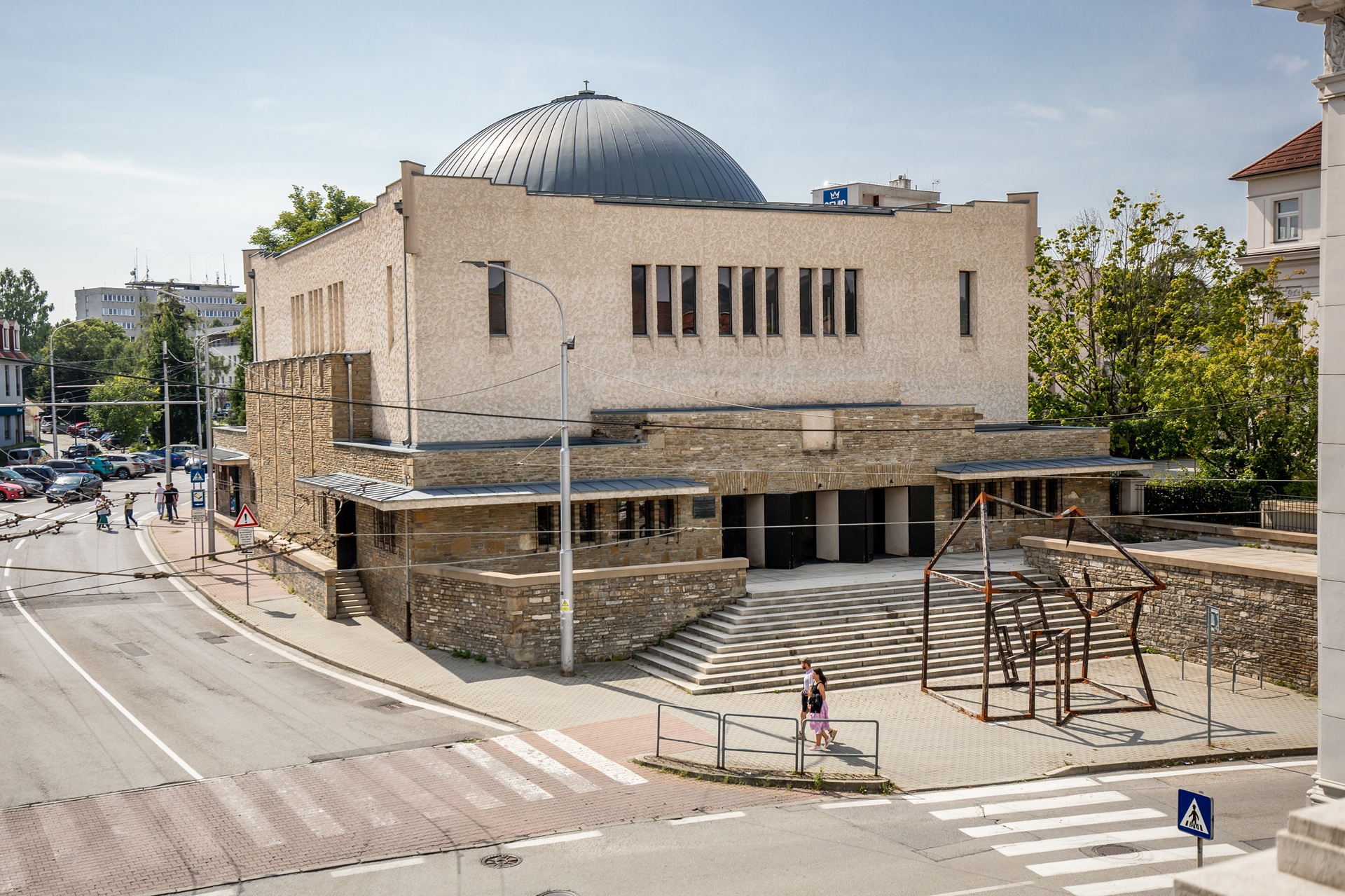
Immediately opposite the palace is a jewel of functionalism that beckons you to visit. Clean, simple lines, the use of facing stone, a practical interior design with a dominant dome – you’ll find all of this in the Neologic synagogue by the prominent German architect Peter Berhens. The synagogue building is one of the most beautiful and, from an architectural point of view, the most important Jewish buildings in Slovakia.
The mysterious Žilina Castle
Budatínsky hrad CastleHave you ever heard of Žilina Castle? This is the biggest mystery associated with the city of Žilina. We know it only from historical sources, and archaeologists have not yet been able to determine exactly where it was located. If, however, you thought you would be deprived of a tour of a castle when visiting Žilina, we have good news for you. You can visit . Originally a guard castle, it has stood at the confluence of the Kysuca and Váh rivers since the end of the 13th century.
In its interior you can see an archaeological exhibition, period furniture and objects related to the history of Žilina. The castle is located in the middle of a historic English park. Here you can visit the castle chapel or the Drotársky pavilón [Tinkerer’s Pavilion], presenting this unique craft typical of our region.
For more information, visit the website: regionmalafatra.sk
Martin – the city where Slovak culture was born
The Turiec region is a place where history, culture, architecture and the spa tradition meet. Its centre is the city of Martin – the cultural heart of Slovaks, a symbol of national revival and preservation of Slovak identity. Today it is the seat of several important historical and cultural institutions as well as a city of charming murals and festival events – such as Dotyky a spojenia [Touches and Connections], Scénická žatva [Scenic Harvest] or Slovesná jar [Literary Spring].
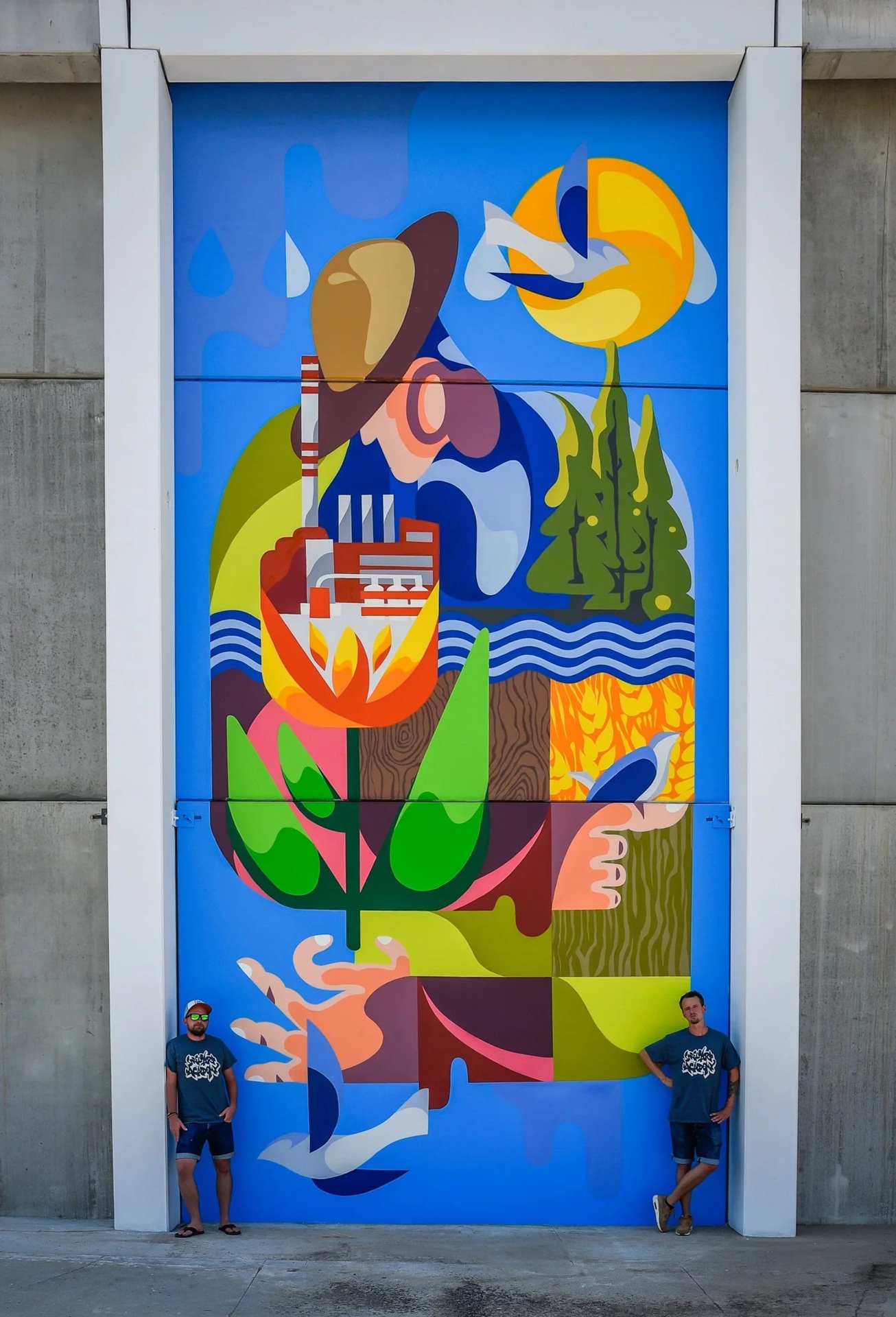
Photo: Street Art Academy
City of museums
The capital of the Turiec region is a paradise for history enthusiasts and museum lovers. It is the seat of the national Slovak cultural institution Matica slovenská, Slovenská národná knižnica [Slovak National Library] and Národný cintorín Martin [Martin National Cemetery], where major figures of Slovak cultural and social life are buried.
A number of museums are located here – Etnografické múzeumSlovenského národného múzea [Ethnographic Museum of the Slovak National Museum], Múzeum Martina Benku[Martin Benka Museum], Múzeum Andreja Kmeťa[Andrej Kmeť Museum], Múzeum kultúry Rómov na Slovensku[Museum of Roma Culture in Slovakia] or the Hasičské múzeum [Firefighters Museum]. In Martin, you can also visit the Múzeum slovenskej dediny [Museum of the Slovak Village] and in this open-air museum you’ll discover a vast exhibition of Slovak folk architecture.
Are you a passionate lover of photography? If yes, then you should certainly visit the Ethnographic Museum of the Slovak National Museum in Martin. It offers a long-term exhibition called “Karol Plicka. Obrazy zeme” [Karol Plicka. Images of the Earth], which commemorates the 130th anniversary of the birth of Karol Plicka, a prominent photographer, film director and cameraman. This is a representative selection of masterful photographs from his lifetime of work.
The Martin Benka Museum is also definitely worth a visit. The house and studio of one of the most important Slovak painters of the 20th century has been preserved almost in its original form. Here, visitors will find his paintings, library, period furniture and personal items. The house’s atmosphere gives the impression that the artist has only stepped out for a moment and that you are entering his world directly.
Art and Theatre
The elegant building of the former County Hall is home to the Turčianska galéria [Turiec Gallery]. In addition to permanent exhibits, exhibitions by Slovak and foreign artists are regularly held here. The building itself combines Baroque origins with a modern exhibition concept. Currently, an exhibition on one of the most important Slovak architects – “Vladimír Dedeček – Tesár v čase betónu” [Vladimír Dedeček – Carpenter in the Age of Concrete] – is currently being held here.
Martin is also home to Slovenské komorné divadlo Martin [Slovak Chamber Theatre Martin]. The stage is located in the historic Národný dom [National House], where many productions of modern Slovak drama were staged. Today, it still offers a lively repertoire from classics to experimental performances. A visit to the theatre in Martin is always an experience, as it combines tradition with current artistic trends.
Murals in Martin
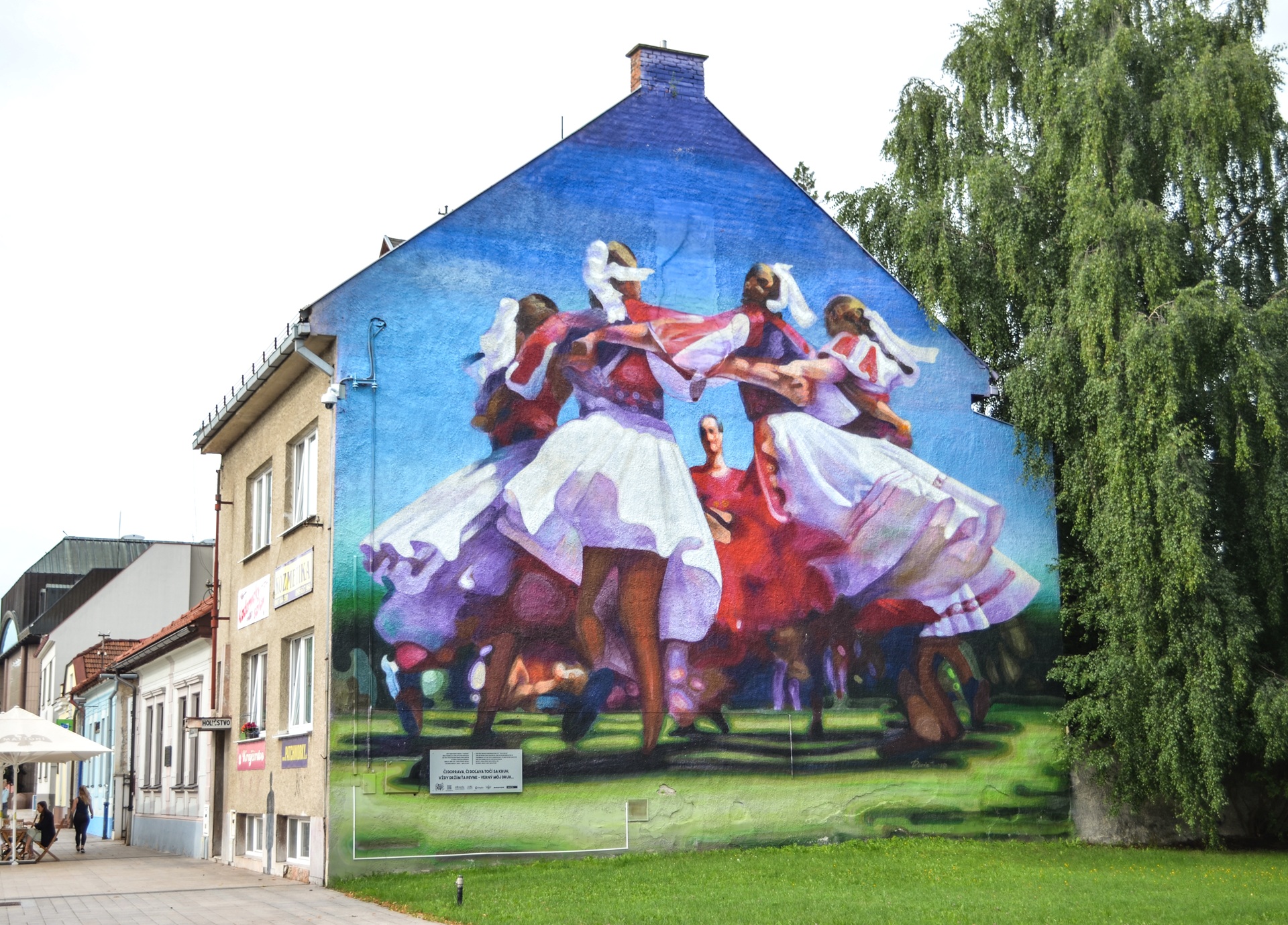
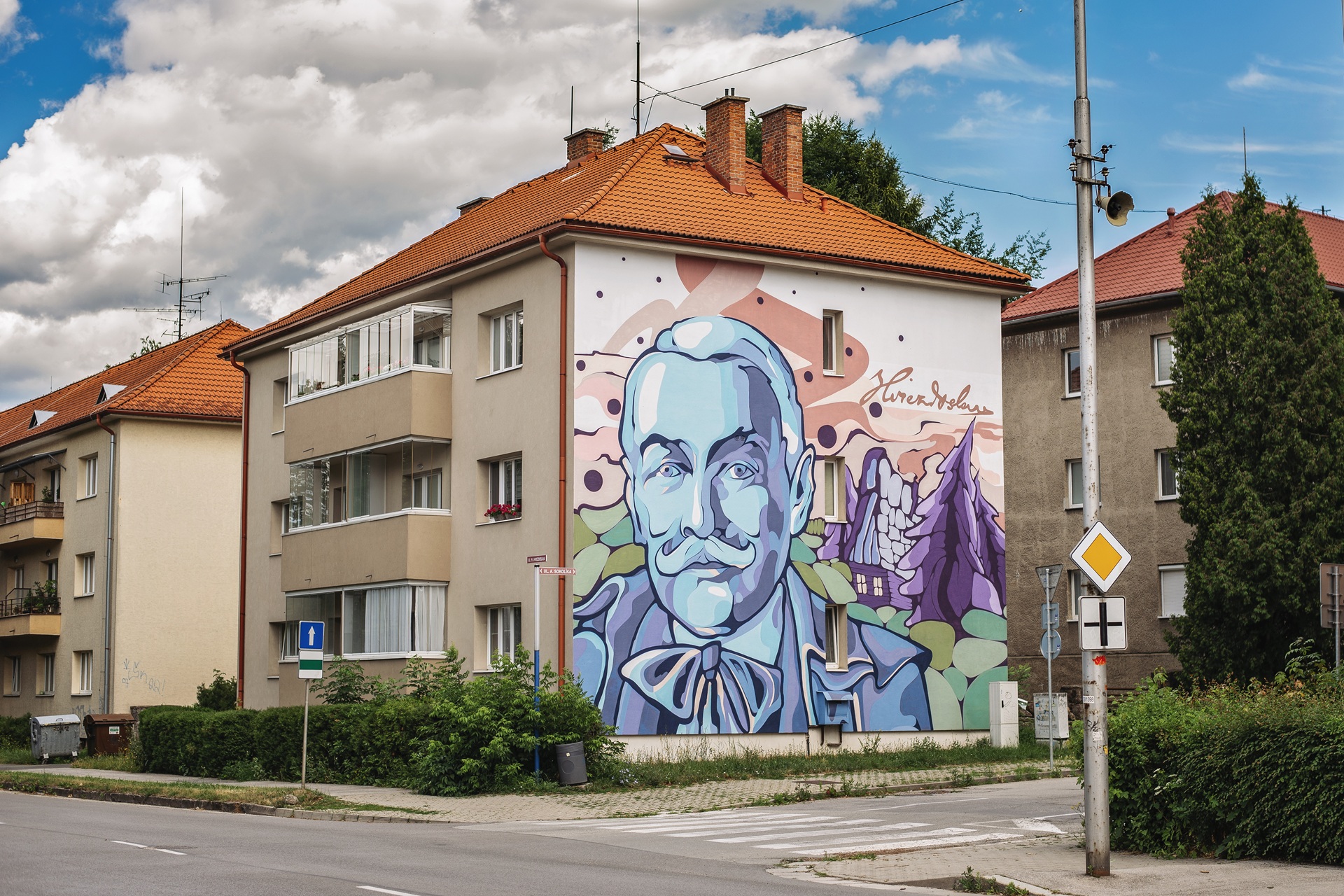
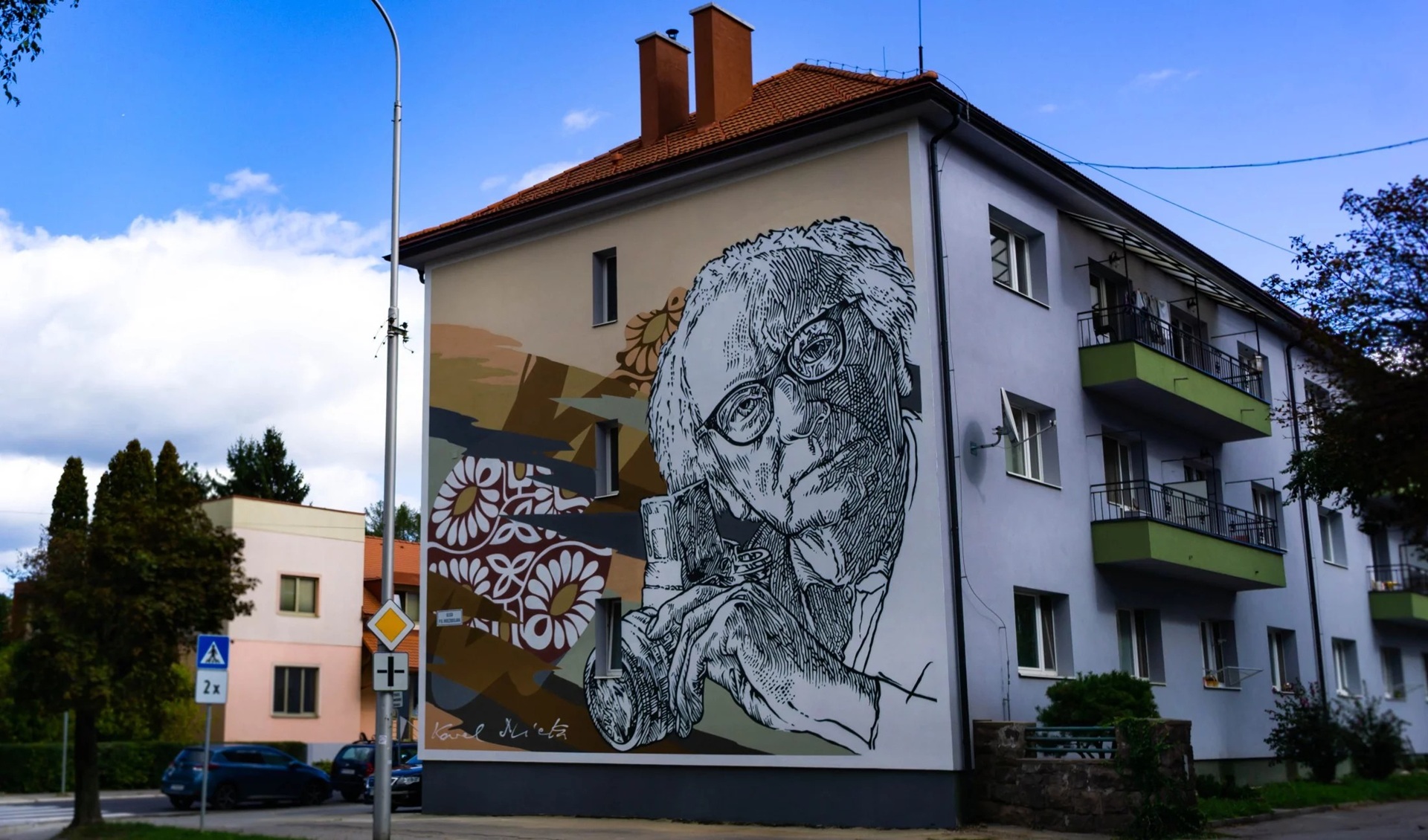
Aside from the already mentioned historical and cultural monuments, several surprises await you as you stroll through Martin. Have you heard about murals? These are works of art that are painted directly on a wall, ceiling of a building or other large solid surface. The Martin murals have been beautifying the city for several years and are an original project of artists from the Street Art Academy in Martin.
The first mural was painted on Divadelná ulica [Theatre Street] in the city centre. Its author is the Slovak artist and graffiti artist Juraj Ďuriš. It symbolises friendship between Czechs and Slovaks and was created on the occasion of the celebration of the 100th anniversary of the Martin Declaration and the founding of Czechoslovakia. Others were then added – they depict writer Pavol Országh Hviezdoslav, photographer and artist Karol Plicka and writer Ján Kalinčiak. The mural called “Martinské hole”is devoted to sports activities typical of this location.